

CBT Psychotherapist (BABCP) · 30+ yrs, 1,600+ clients
With over 15 years specializing in CBT and trauma therapy, I help individuals recover from complex emotional difficulties and reclaim their lives.
Verified by: Psychology Today · BABCP · Contributing expert to the Mental Health Foundation’s Boiling Point report.
Recognised provider for: Aviva, AXA Health, Vitality, and WPA private medical insurance.
Over the weekend, I found myself thinking deeply about something. I have been building towards a vision I have carried with me for more than 30 years: a community that helps people become a stronger version of themselves.

And still, nothing changes. You leave sessions feeling the same knot of anxiety in your chest. The same patterns play out in your relationships. The same thoughts circle through your mind at 3 AM. You start to wonder: Am I not trying hard enough?

Three generations with the same anger pattern, yes-but also three generations who received zero emotional coaching. Your father exploded, then acted like nothing happened. Nobody talked about it. When you got angry as a child, you were sent to your room. Alone. Silent.

Most people assume the problem is the strength of their defense mechanism-that their anger is just too powerful, too entrenched, too automatic. They think: "I've been angry for so long that I've built an impenetrable wall." Or they blame their willpower: "I'm just not pushing hard enough to get through."

Your brain has a threat detection system that runs constantly, scanning your environment for danger. This system operates automatically, below conscious awareness. When it detects a potential threat-someone calling out last minute, a customer complaint, corporate changing policies without warning-it doesn't wait for your permission to respond.

When anger feels like it comes out of nowhere, most people-including you-blame the same thing: the anger itself. But here's what's really happening: the warning signs exist. Your body is sending them. But you haven't learned to detect them yet.

You're patient with difficult people at work. You handle stress that would break others. But at home, you snap over dishes left in the sink. Plans change and you feel rage rising. Fifteen minutes later, you're drowning in guilt.

Here's what makes this worse: you know this matters. Pick wrong and you either waste money on features you'll never use, or spend months frustrated with a platform that can't do what you actually need. The deadline isn't helping-time pressure makes everything feel urgent and nothing feel clear.

The question loops endlessly: Were my conversations used to train AI models? And underneath that question sits a deeper fear-that somewhere in the parameters of an AI system, your clients' confidential information is now embedded, irretrievable, waiting to leak out.

But when it comes to your own professional development, you've told yourself a different story. The "real" coaching-the kind that could actually help you-costs $300 an hour. Maybe more. Those are the coaches with extensive credentials, published research, the ones who can really dive deep into your specific situation.

Everyone-privacy advocates, security experts, well-meaning articles-has told you the same story: people disclose sensitive information to digital platforms because they do not understand the risks. If they really knew what happens to their data, if they truly grasped the potential consequences, they would protect their information better.

When you look at free career coaching tools and feel that spike of anxiety-this is probably garbage, I'll waste my time-you've probably assumed that feeling comes from one of two places: You think it's about the tools themselves. Free tools must be lower quality. If they were actually effective, they'd cost money.

But when someone asks if it's actually helping, you pause. Is it? You've been paying for this for months. You engage regularly. You feel... something. But you couldn't point to a single concrete change in how you lead. The investment continues. The engagement continues. And the nagging question continues: is this genuinely developing you, or just providing the illusion of progress through regular activity?

On one side: ChatGPT. Free. Accessible. You open a conversation, talk through what you're stuck on, get some guidance, close the window. Repeat weekly. You're making progress-two of your three music track goals are on track. On the other side: Slick platforms with progress dashboards, structured programs, AI that "remembers your journey," testimonials from people crushing their goals.

When you deliberately keep your voice steady even though you're upset inside, what information is actually available for the AI to work with? Just your words and your controlled tone. The distress isn't in the signal at all. It's not that the AI is missing something that's there-the emotion isn't observable.

You're professionally exposed either way. Recommend AI and you might be throwing millions at overhyped technology. Recommend human coaching and you might look like you're resisting innovation. What you need is legitimate, rigorous research comparing outcomes-research you can confidently cite to protect both your organization's investment and your professional credibility.

It's not that you haven't tried. You've experimented with different AI coaching apps, different accountability systems, different ways of framing your goals. You show up for your exploration group when you've committed to urban exploring, you practice hand lettering every night when you're excited about a new script, you never miss a live comedy show you've bought tickets for.

Here's what research actually shows: AI coaching has documented limitations in crisis situations, and waiting until you're obviously failing misses the point entirely. Studies from 2024 reveal something critical that most people don't know: AI mental health chatbots systematically fail at crisis management.

Think about the last time you built something with genuine complexity-maybe a piece of Japanese joinery with multiple interdependent angles, or assembling a mechanical watch movement where dozens of components must align perfectly. Did you hold all those specifications in your head? Or did you externalize them?

You end up saying vague things about "the human connection" or "accountability" that sound weak even to your own ears. Meanwhile, the pressure mounts: Why not just use an app? Why not read more books? Can you really defend spending that much for an hour of conversation?

You're not alone in this pattern. And you're not foolish for expecting more. What you're experiencing reveals something fascinating about how change actually happens-and it's not what most people think. When you're struggling emotionally, the conventional wisdom says: get support, talk through your feelings, receive validation and guidance.
The logic seems airtight: To get coaching that accounts for your unique context, you need a coach who shares your background. Someone who understands what it's like moving from working-class roots into white-collar expectations. Who knows the specific friction of code-switching between worlds.
And you're doing the math. Four areas. Limited budget. The guilt of choosing feels like admitting defeat before you've started. So you're stuck, researching which AI coaching apps might be good enough, wondering if you're setting yourself up for failure by not investing in human expertise, paralyzed by the question: Where do I spend my limited resources?

Now you're looking at AI coaching, and something doesn't add up. How can a machine replicate that kind of relationship? How can software know when to push versus when to support? The stakes are high: your colleagues who can afford human coaches will keep advancing while you... what? Plateau with an inferior substitute?

You're not avoiding the tasks. You're avoiding the decisions. Before you can start, your brain has to answer dozens of micro-decisions. Research on decision fatigue shows making decisions depletes the same mental resources you use for self-control. Your brain isn't lazy. It's exhausted from deciding.

You're sitting in your accounting lecture, and somewhere around the fifteen-minute mark, you realize you've lost the thread. The professor is explaining something about debits and credits, but your mind checked out three slides ago when you didn't understand a key concept. The familiar thought arrives: I've missed it now. I'm already lost, so what's the point? Your hand drifts toward your phone. Your attention drifts further away.

You've been doing the work. You've filled pages with honest reflections about your mother, about the years you couldn't speak freely, about cancer treatment when you felt you had to smile and wear the wig and never complain. You've organized your thoughts into sections, created structure where there was only chaos. And it's helped. You can see the patterns now. But something still feels trapped inside, doesn't it?

You've done the work. You've reduced your depression and anxiety from moderate-severe to mild. You've gone from feeling no control over binge eating to actually being able to stop the behavior. You can watch television nearly every night now without that crushing guilt that once made relaxation impossible. And yet. When you spent two hours organizing your therapy materials yesterday, that familiar wave of shame washed over you...

You've made remarkable progress. The anger that used to stick with you until the next day now fades in about 20 minutes. But here's the question worth asking: what if those 20 minutes could become five? What if the difference between holding onto frustration and releasing it quickly wasn't about what happened, but about something you're doing in those moments that nobody talks about...

You've probably called this procrastination. Maybe you've beaten yourself up about it. Called it a bad habit. Told yourself you just need more discipline, more willpower, more focus. What if I told you that everything you've been doing to fix your procrastination is actually making it worse?

You've been putting in the hours. Sixty-hour weeks, meticulous attention to detail, checking and rechecking your work. You delivered that project, completed that financial documentation, stayed late to make sure everything was perfect. And then your boss pointed out something that could be improved. The floor dropped out. All those hours, all that effort-none of it registered.

The phone rings. It's your sister. Before she even finishes asking if you can watch the kids in an hour, your chest tightens. Your mind floods with questions: What if I make everyone late? What if I'm not prepared? What if they need something I don't have? You say yes anyway. You always do. And then you spend the next hour in a spiral of anticipatory panic about problems that haven't happened and probably won't.

You've been working on this for a while now. You've read about assertiveness. You've tried setting boundaries. You've practiced saying "no." You've worked on identifying your needs and communicating them more clearly. And you've made some progress. You can see the logic. You understand why it matters. You know what you're supposed to do.

If you find yourself spiraling less about the actual problem and more about managing everyone else's emotional response to it-something deeper is going on. And what you've been blaming isn't actually the cause.

You're doing everything right. You're in therapy. You're exercising-running that Couch to 5K, cycling to the gym. You're showing up for your children, for your work, for all the obligations that fill your calendar from morning until night. You even took time off, hoping it would help. But instead of feeling better, you feel worse.

You know the pattern. A difficult day working from home. That restless feeling. A thought about food appears, and immediately you snap at yourself: Not again. What's wrong with you? Just don't do it. But the urge gets louder, not quieter. The thought you tried to push away keeps coming back, more insistent each time.

The extreme restriction that used to run your life has loosened to maybe 70-80% balance. But you're still automatically counting calories. Still avoiding Five Guys because it's 2,000+ calories. Still getting rigid at cocktail events when you don't know how many bites to take.
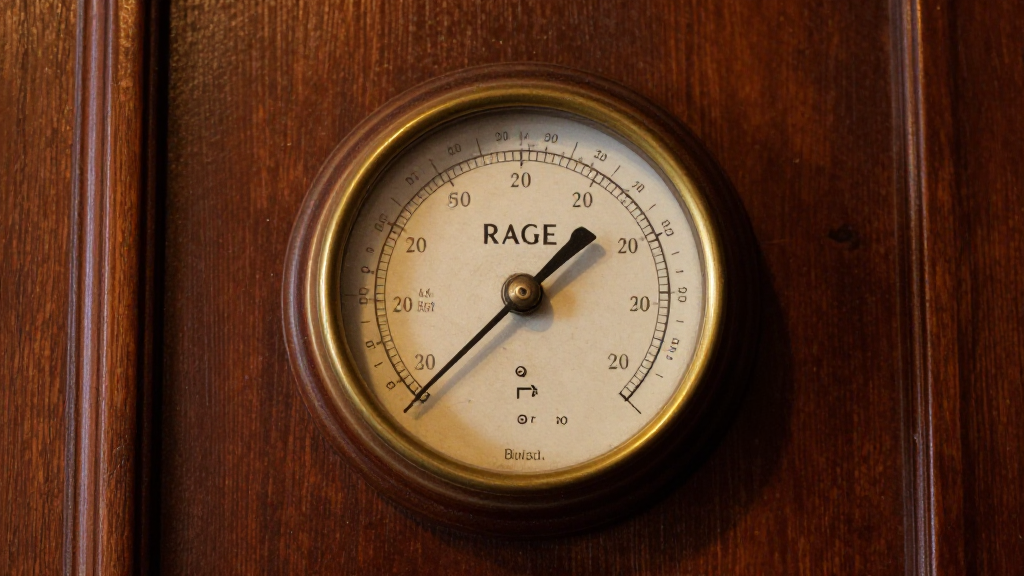
You know the moment. That familiar tightness in your chest during a work call. The rising heat when someone makes yet another "urgent" request. You think to yourself: Here we go again. I'm getting wound up. You see it coming. You recognize the pattern. You're aware. And then it happens anyway...

By the time you read the last paragraph, you'll know how to build the emotional strength that makes healing possible—by working with your biology, not against it. You've done everything right. You're using calming strategies. You're practicing distraction techniques when the anxiety spikes.

You've been told to push through. To stay strong. To keep the difficult memories locked away and focus on getting through each day. And for years, this approach probably worked. When deadlines loomed or crises hit, you could compartmentalize, bury the emotions, and get things done.
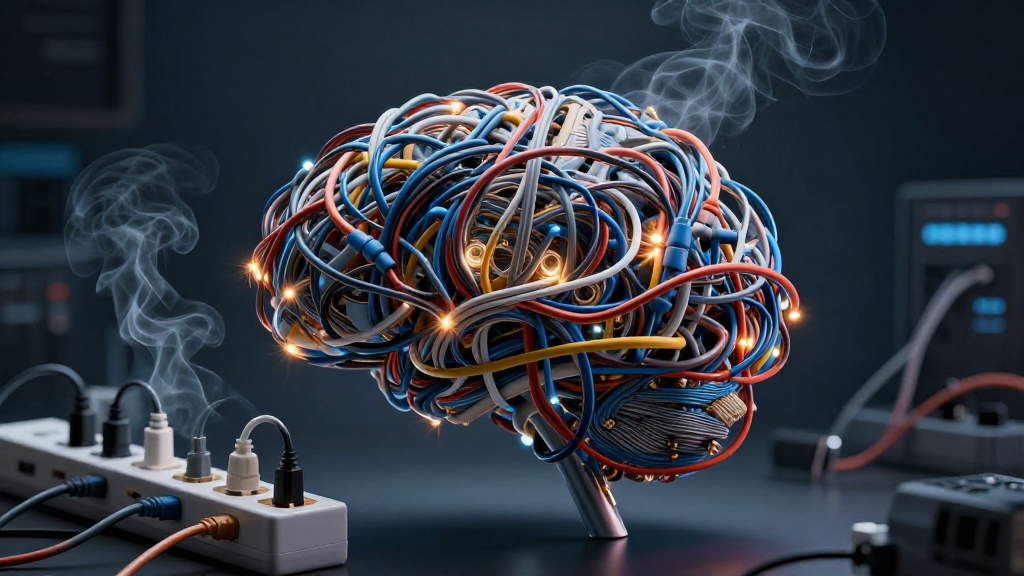
You're exhausted. Again. You review the day: checked some emails, did a load of washing, watched TV. Nothing major. Yet here you are at 6 PM, completely wiped out. Mental activities consume real biological energy from the same limited pool as physical tasks.

You've done everything right. Your anxiety dropped from 20 to 4-an 80% improvement that exceeded every target you set. Depression scores hit the goal. You're sleeping peacefully instead of lying awake

You're four months into constant pain. The skin graft donor site feels like burning at a hundred times normal intensity, and the painkillers barely touch it. This is your third round of grafts, so you

You know the work is good enough. You know that staying up until 4 AM to delete dots from a file is objectively ridiculous. You know you should say no to new projects when you're already maxed out. But somehow, knowing doesn't help.

You've made remarkable progress. The strategies you learned-compartmentalizing worries into specific times, journaling your concerns instead of spinning on them, using the devil's advocate approach to challenge catastrophic thinking-these dropped your overwhelm from 100% to 40%.

It's 2am. Your mind is cycling through everything again. Your daughter's unexplained stomach issues. The conversation with your mum's neurologist about her Alzheimer's diagnosis. Whether you're keeping up at work despite your vision problems. Every responsibility demanding attention, all at once, while you lie there unable to sleep.

Forty minutes to get ready in the morning. Not because you were doing anything particularly complicated. Just... checking. And rechecking. And the intrusive thoughts that wouldn't stop, the self-blame that said this was somehow your fault, that there was something fundamentally wrong with you.

You know that moment when someone asks "How are you feeling?" and your mind goes blank? Or when happiness shows up—a genuine flutter of joy—and within seconds your chest tightens, your brain whispers something bad is about to happen, and you can't let yourself rest in that feeling for even a moment?

You're staring at your screen, feeling that familiar dread creeping in. You know you need to focus, so you do what you've always done: you force it. You override the resistance, push through the fog, and make yourself concentrate. You get maybe 10% more done than you would have if you'd stopped. It feels like a win. But here's what you can't see: the price you just paid.

You hang up from a draining phone call. An hour later, you're snapping at your partner over something trivial. By afternoon, a routine work email feels overwhelming. The exercise you usually tolerate now seems impossible. Discover the invisible cognitive processes that contaminate your entire day—and learn practical protocols to interrupt each mechanism.

You've gotten better at noticing when frustration builds. You can feel it coming now—the tension, the irritation, the sense that you're about to lose your patience. But even when you see it coming, you can't seem to stop it. Learn why awareness alone won't stop frustration and discover the 30-second window where prevention is actually possible.

You know the feeling. A text comes in—a friend wants to meet up, your mum needs a favor, your partner mentions a weekend project. And before you've even finished reading it, that familiar tension starts building. You'll say yes. You always do. But you're already annoyed about it.

You walk into the kitchen and stop. Why did you come in here? These aren't occasional lapses. They're happening daily. And if you're like most people experiencing this pattern, one fear is growing louder: Am I losing my mind? Learn why your memory failures might be encoding problems, not dementia.

You tell yourself you should have your life together by now. And when you catch yourself spiraling, you double down. Be harder on yourself. That'll fix it. Except it doesn't. Learn why self-criticism, stress, and avoidance are three gears driving your struggle—and how to stop them.

Look at the list. Sleep has been a disaster for years. Work keeps falling apart. The friendships that used to sustain you have dwindled. Most days, you're just trying to survive. What if the math saying you need to fix everything at once is wrong? Learn about the 3 loops keeping you stuck.

You're sitting in a meeting. Everyone else seems to get things faster than you. And you're thinking: I'm dumb. I don't belong here. It feels true. It feels like a fact. But is it? Learn why feeling dumb is a feedback loop bug, not a fact—and how to debug it.

You haven't listened to that music in years. The songs that used to move you, the language that shaped your earliest memories—they're all on the other side of a wall you built so carefully you barely notice it anymore. If avoiding worked, would the triggers still find you?

You finally had a good week. The anxiety wasn't screaming in the background. Sleep wasn't a battlefield. And then you looked at your therapy homework and thought: Why would I ruin this? Here's why that completely reasonable decision keeps symptoms locked in place.

Someone laughs loudly outside your window. Instantly, your whole body goes tense. Heart speeds up. You feel like you need to be on guard—like something bad is about to happen. Even though you know it's just people walking by.

You're holding it together. Job's stable. You're showing up for the people who matter. From the outside, everything looks fine. But inside? Your head is running at a hundred miles an hour. This is supposed to be a "good period." So why does it feel like running a marathon every single day?

You're on a large video call. Your camera is on. And somewhere in the back of your mind, a relentless narrator has taken over: Have I been too quiet? Should I say something? Here's what most people never realize: that internal monitoring isn't protecting you. It's the very thing making your anxiety worse.
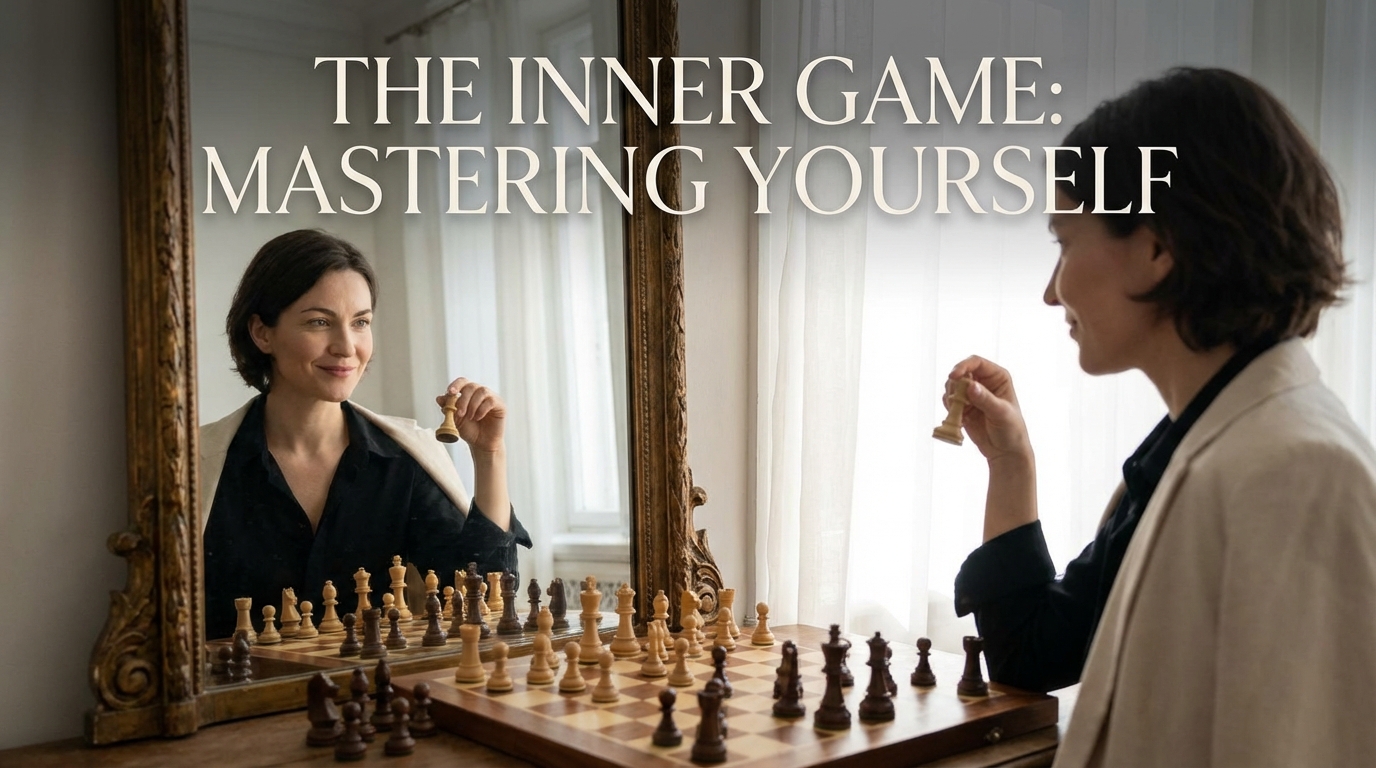
You're standing at the kitchen sink, hands in warm soapy water, trying to focus on the lemony smell of the washing up liquid. And then the voice appears. "I know what you're doing. I know you're trying to distract yourself from the anxiety." This is the meta-experience trap. Learn how to redirect your attention instead of fighting it.

You were fine last night. You even thought about the hard thing—your father's diagnosis, maybe, or some other weight you're carrying—and it felt manageable. Then you woke up crushed. Severe. Heavy. The kind of low that makes getting out of bed feel like pushing through concrete.

You set three alarms. You still can't get up. You drag yourself through the morning feeling like you're moving through wet concrete. By afternoon, you're fighting to keep your eyes open—sometimes losing that fight, even at work. Fourteen hours of sleep, and you wake up more exhausted than when you lay down...

You're sitting in the meeting room. Your hands are shaking. The words you rehearsed a dozen times are swimming on the page in front of you. You'd planned exactly what to say—and exactly what not to say. Then your mouth opens, and the one word you swore you wouldn't use comes out anyway...

It's 2 AM. You're exhausted. But your brain has other plans. The meeting replays. What she said. What you should have said. What's going to happen next. You think you've finally worked through it—and then twenty minutes later, you're right back at the beginning...

You know the feeling. Part of you knows you shouldn't use. Another part doesn't care. And the part that doesn't care always wins. So you draw the obvious conclusion: I just don't have enough willpower. Except here's the thing—you're blaming the wrong culprit entirely...

You go for your morning run—the same run you've done for years—and you finish feeling... nothing. Not bad exactly, but not good either. It's like someone reached inside your head and turned down the volume on everything enjoyable...
You get home from work. Your partner's away. The evening stretches out ahead of you, and nothing—absolutely nothing—seems worth doing. You could go for a walk. You could watch something. You could read. But these options don't just feel unappealing—they feel painfully boring...
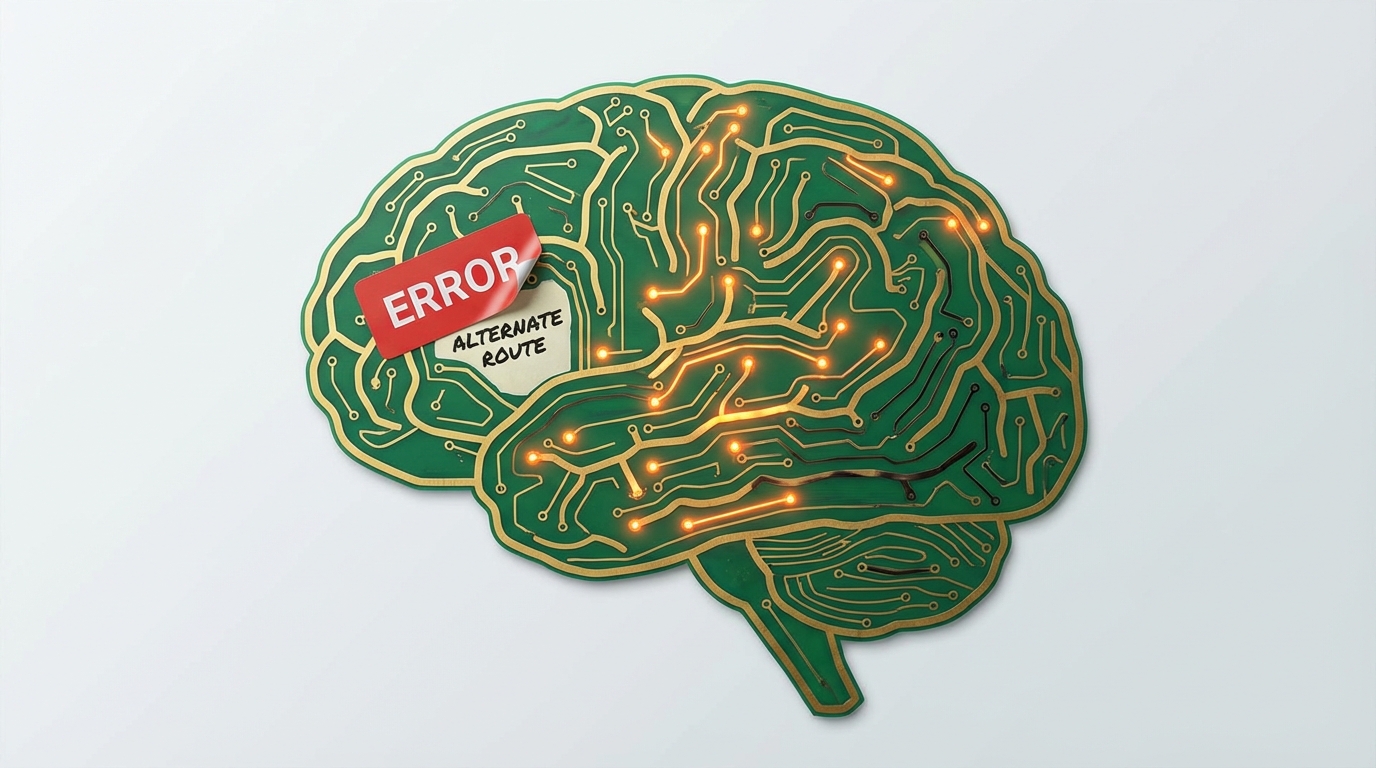
The check has been sitting on your desk for months. Maybe years. You know you need to cash it. You've thought about it dozens of times. You've planned to do it. And then... nothing. So you call yourself names. Lazy. Irresponsible. A loser...

You're getting ready for a party. That familiar dread starts creeping in. What if I'm boring? What if I have nothing to say? So you do what works. A line before you go. And suddenly—confidence. Except the next day, you're a vegetable on the couch...

You know the feeling. You're having a good moment—maybe laughing at something a friend said—and suddenly it hits you: I wasn't thinking about them. And then the guilt floods in. What if that guilt is based on a lie?
By the end of this page, you'll have evidence you can count — evidence that automatic self-blame is a pattern, not who you are. So the next time that familiar flinch hits, you won't be trapped inside it.
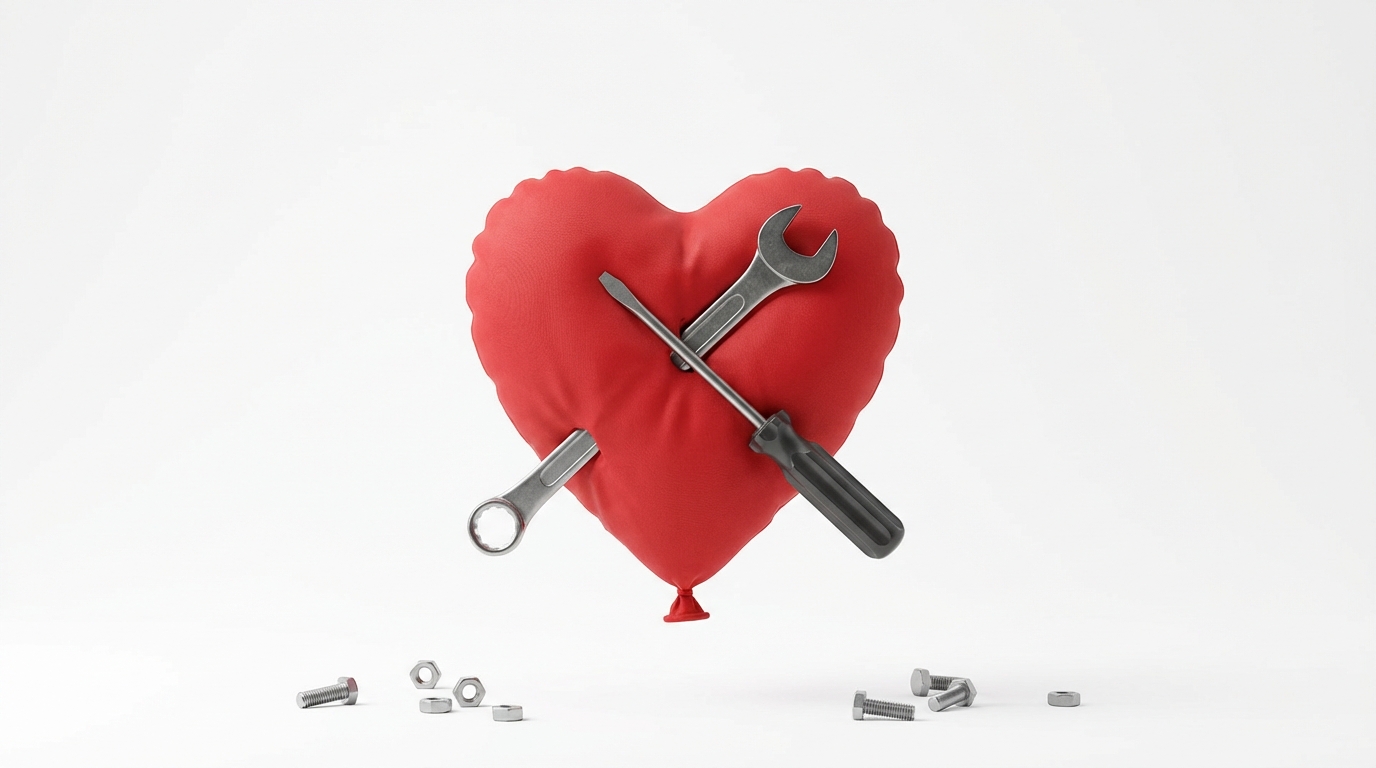
You're good at solving problems. Maybe that's what you do for a living—quality improvement, engineering, operations. Or maybe you're just the person everyone calls when something breaks. Your brain has been trained to respond a certain way: Notice the problem. Analyze the cause. Implement the fix. Move on.

You know the feeling. With your parents, you're one version of yourself. With your partner, another. At work, yet another. With different friend groups, you adjust, shift, reshape—and by the end of the day, you feel hollowed out.

You're with your spouse. Or your parents. Or colleagues at a work dinner. And instead of just being there, part of your mind is running calculations. What do they need from me right now? What's the right thing to say?
You're in a meeting. Someone asks your opinion. And before you can even register what you actually think, you're already scanning faces, calculating what they want to hear. By the time you open your mouth, you're not sure anymore whether you're speaking your mind—or performing a version of yourself.
Three separate times, the police knocked on your door to tell you they'd found someone dead. Three times before they found your brother. Now you're waiting. Brain samples being tested. Results that could take months. A death certificate that lists only when he was found—not when he actually died.
You wake up and you don't want to move. The blanket stays pulled up. Noon comes and goes. Getting dressed feels pointless because what's the point? If you're grieving someone while still waiting for answers, that frozen feeling isn't a sign you're failing at grief.
You're lying awake at 3am. Your mind won't stop. It feels like broken glass rattling around inside your head—sharp, chaotic, impossible to organize. And when someone says "just try not to think about it" or "you need to snap out of it," something inside you wants to scream.

You're running on empty. Not the kind of tired that sleep fixes—something deeper. A bone-level exhaustion that makes everything harder. And here's what makes it worse: you've been trying so hard.

If you've asked yourself whether you're becoming too attached to AI, you're not alone. Articles are circulating with alarming headlines about AI hijacking your brain. As a therapist with 27 years experience, I wanted to cut through the noise and give you something more useful than fear.

Something strange happens when new technology emerges. Within weeks, sometimes days, certain Christian circles reach consensus: "It's dangerous." But here's what troubles me: the speed and uniformity of these responses don't look like spiritual discernment. They look like something else entirely.
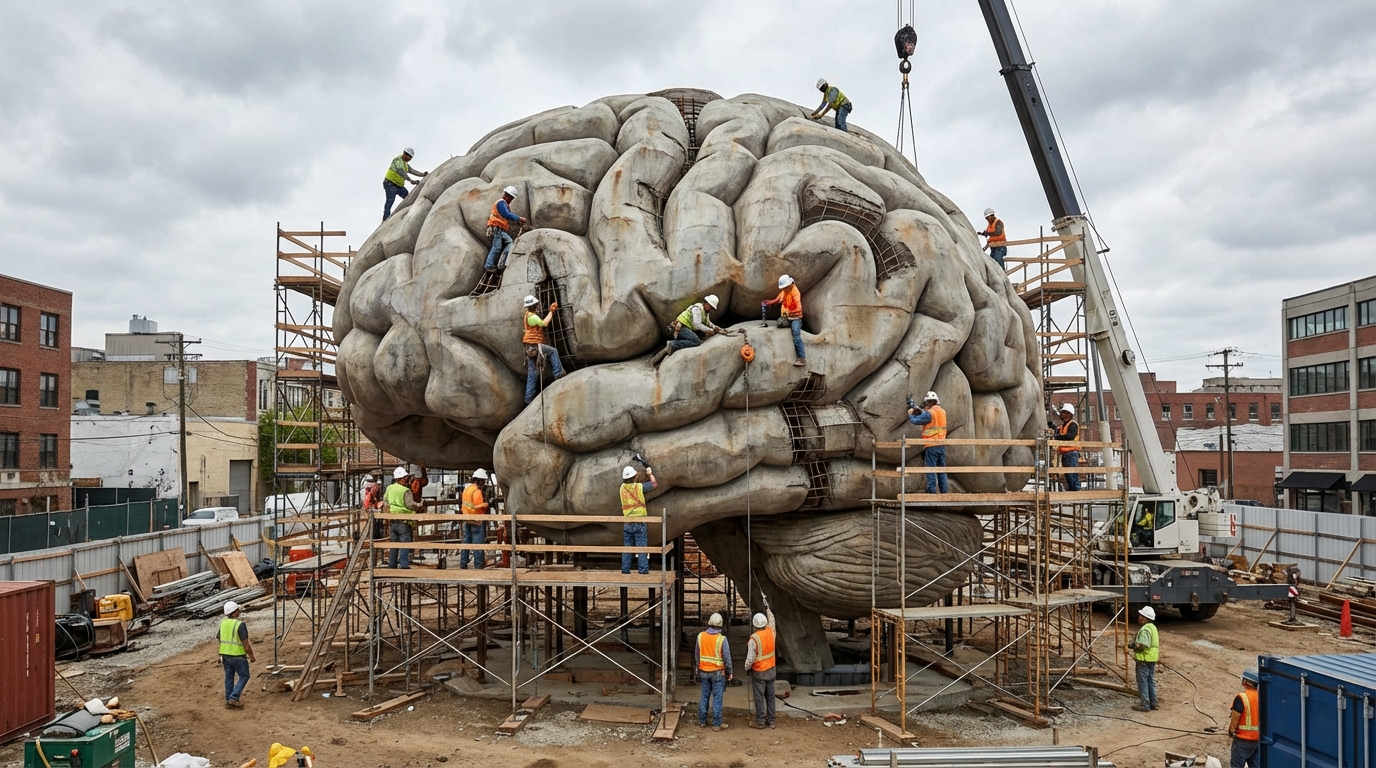
I've spent 27 years helping people recover from trauma. Over 1,600 people have walked through my doors, and one question keeps showing up: "What's my purpose?" The neuroscience says something completely different from traditional advice. Your brain doesn't find purpose—it constructs it.

Imagine a friend who agrees with everything you say. Every thought, every belief, every wild idea—validated without question. Available 24/7. Never judging. Never pushing back. Never telling you when you're wrong. Sounds helpful, right? Actually, for some people, it's destroying their grip on reality.

Picture this: You hire a career coach to fix your work stress, see a relationship therapist for marriage issues, work with a nutritionist for health goals, and consult a financial advisor for money problems. Each expert knows their field inside and out. Yet somehow, you're still struggling with the same underlying patterns across multiple areas of your life...

It's 6 PM on a Tuesday. The kitchen smells of roasted chicken and vegetables—a meal you chose specifically because your child ate it happily just last week. Your five-year-old takes one look at the plate and declares, "I hate chicken! I'm not eating this!" Your shoulders tighten. Your jaw clenches. Here we go again.

That wedding invite? It sat in Barbara's purse like a bomb. Just knowing it was there made her heart race. Her chest felt tight. Her sister was getting married in California...
Do you wake up feeling heavy, unmotivated, and dreading the day ahead? Morning depression is more common than you think, affecting millions of people...