


OPENING
You're creating next week's schedule. An employee just texted that they can't work their shift. Another one needs to leave early on Friday. Corporate changed the policy again and now you're short on coverage.
Then it hits.
One second you're fine. The next, you're absolutely enraged. Your heart is pounding. Your jaw is clenched. The anger is so intense it feels like it's hijacked your entire body.
And the worst part? You have no idea where it came from.
There was no escalation. No warning. Just zero to explosion in an instant, like your body has a mind of its own and it decided-without consulting you-that right now is the time to lose it.
You've probably tried to get better at spotting the triggers. You scan your environment constantly, watching for problems before they happen. You try to catch yourself before you snap. But somehow, the rage always gets there first.
What if I told you the warning signs are there-you're just looking in the wrong place?
THE CONVENTIONAL PATH
When most people want to manage sudden anger, they follow what seems like obvious logic:
Monitor what's happening around you. Watch for the situations that set you off. Keep an eye on difficult customers, last-minute schedule changes, unreasonable demands from corporate. If you can spot the trigger before it happens, you can control your reaction.
When you feel anger starting, try to calm down. Take a breath. Count to ten. Tell yourself to relax.
And if that doesn't work? Avoid the triggers entirely. If certain situations make you rage, try to minimize your exposure to them.
This is what everyone tells you to do. It's what you've probably been trying for years. You've gotten good at scanning the environment. You know your triggers. You're constantly watching for the next problem.
You're doing everything right.
WHY IT KEEPS FAILING
Except it's not working.
The rage still appears without warning. And when you try to look back and identify what triggered it, you come up empty. There was no obvious escalation. Nothing you can point to and say, "That's when it started."
Here's the problem with the conventional approach:
You're monitoring the outside when the signals are on the inside.
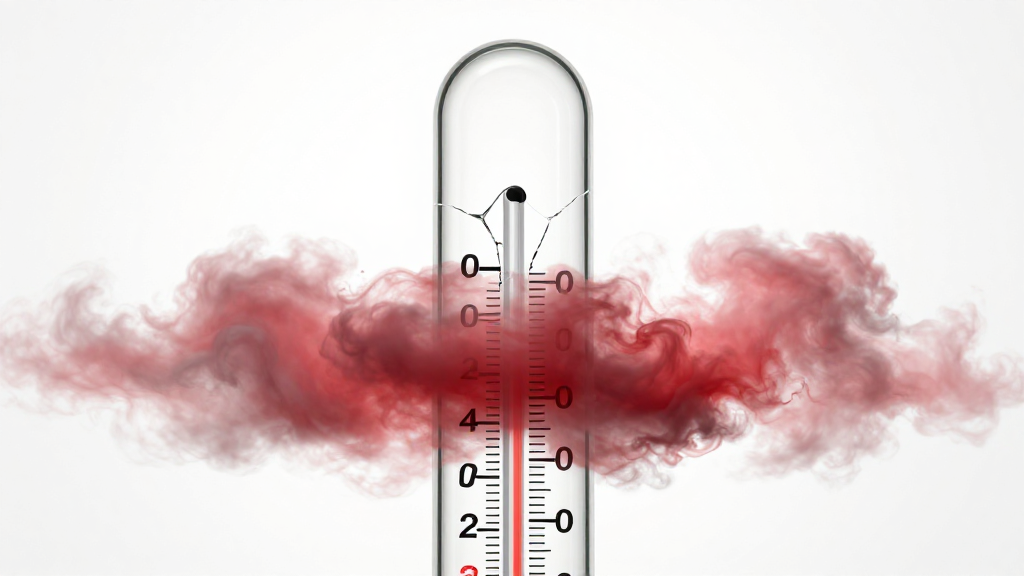
By the time rage reaches your conscious awareness-by the time you realize "I'm angry"-it's already at 90% intensity. Your heart is already pounding. Your muscles are already tense. Your breathing is already shallow. The physiological response is already in full swing.
Trying to control anger at 90% is like trying to stop a train that's already at full speed. You might eventually slow it down, but you're going to travel a long distance before you do.
And here's what makes it even harder: all that external monitoring? It's actually making the problem worse.
When you're managing a retail environment, you're trained to scan for problems. Customer getting frustrated? Catch it early. Line getting too long? Jump on register. Employee looks confused? Step in to help.
You've spent years training your attention to focus outward on external threats and problems. Every shift reinforces this pattern: ignore what you're feeling internally and focus on what's happening around you.
After eight years of this, you've become an expert at filtering out your internal signals.
Which means when your body tries to tell you "Hey, we're getting stressed here," you don't hear it.
THE HIDDEN REASON
Here's what's actually happening when rage "appears from nowhere":
Your brain has a threat detection system that runs constantly, scanning your environment for danger. This system operates automatically, below conscious awareness.
When it detects a potential threat-someone calling out last minute, a customer complaint, corporate changing policies without warning-it doesn't wait for your permission to respond. It immediately triggers a defensive rage response.
Your heart rate increases. Your muscles tense. Your breathing changes. Stress hormones flood your system. All of this happens in your body before your conscious mind even registers that something's wrong.
This is called pre-conscious emotional processing, and it's happening all the time.
But here's the critical part: for you to manage this process, you need to be able to detect what's happening in your body. You need interoceptive awareness-the ability to sense your internal bodily signals.
And research shows that poor interoceptive awareness is directly linked to emotion dysregulation.
When you can't detect the early physiological signs of anger-the slight increase in heart rate at 20%, the beginning of muscle tension at 35%, the subtle change in breathing at 50%-you remain unaware until the process reaches a threshold high enough to break through into consciousness.
By then, it's at 90%.
And it feels like it came out of nowhere because you missed the entire buildup.
But there's another piece to this that makes it even more insidious.
Research on implicit emotion regulation reveals something surprising: your brain has automatic systems designed to modulate your emotional responses. Think of them like brakes in a car-they should engage automatically to prevent emotions from escalating out of control.
When these implicit braking systems fail to engage properly, emotions accelerate without modulation.
So it's not just that you're missing the warning signs. It's that the automatic systems that should be tempering your emotional response aren't working properly either.
You're driving a car with failed brakes and no speedometer.
No wonder it feels like rage is hijacking you.
And here's the hidden reason behind both of these problems:
Chronic stress-the kind you experience managing retail for eight years-creates what researchers call "buffered responsivity." Your system learns to stay less informed and engaged with triggering cues as a protective mechanism.
You've essentially trained yourself to ignore your internal warning signals because there's always another crisis to handle. If you stopped to register every stress signal, you'd never get through a shift.
So your brain adapted. It stopped sending those signals to conscious awareness. Or it kept sending them, but you learned to filter them out so effectively that they might as well not exist.
The protection mechanism that helped you survive years of retail stress is now the thing preventing you from managing your anger.
You're not broken. You're not lacking willpower or self-control.
You've just lost access to your internal "schedule"-the bodily signals that would tell you what's coming before it arrives.
THE COMPLETE FLIP
So here's the shift:
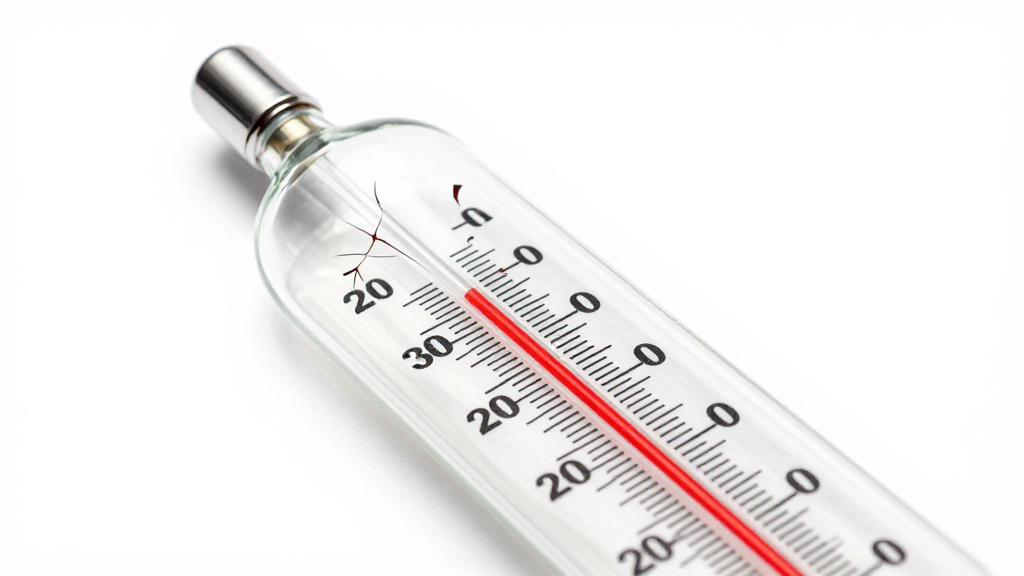
Your rage doesn't appear without warning. It has a loading bar that fills up from 0% to 100% before it explodes.
You're just not looking at the screen where the loading bar is displayed.
Every emotion-including rage-is accompanied by physiological changes that begin at very low intensities and build over time. Your heart rate changes slightly. Your muscles tense incrementally. Your breathing shifts subtly. Your chest might feel different. Your jaw might tighten.
These changes happen before you consciously think "I'm angry."
The reason rage feels like it hijacks you is that you're only becoming aware of it when the loading bar reaches 90%. At that point, yes, it feels overwhelming and uncontrollable.
But what if you could see the loading bar at 20%?
At 20%, your heart rate is just starting to elevate. There's the beginning of tension in your shoulders. Your breathing is getting slightly shallow. You wouldn't even call it "anger" yet-it's just... something. A change. A signal.
At 20%, you have options. You can step into the back room for two minutes. You can take three deep breaths before responding. You can text your partner that you're having a rough day. You can make a conscious choice about how to handle the situation.
At 90%, your options are gone. The train is already at full speed.
This is what interoceptive awareness training does: it teaches you to detect emotional signals at the onset of stressful events, before they escalate into overwhelming intensity.
And research with 187 participants shows it works. Developing interoceptive awareness increases emotion regulation and reduces psychological distress.
Think about how you train new employees. You don't wait until a customer is screaming to teach them about customer service. You teach them to notice the early signs: the customer looks confused, they're starting to seem frustrated, their tone is changing.
You can do the same thing with your internal experience.
Just like you check the schedule to see who's coming in before a shift starts, you can learn to check your internal "schedule"-the bodily signals that tell you what's building before it arrives.
The anger isn't operating independently of your consciousness. Your consciousness is just tuned to the wrong channel.
You're watching the external environment for threats while your body is broadcasting warning signals on an internal channel you're not monitoring.
When you retune to that internal channel, suddenly the rage doesn't appear without warning anymore. You start catching it at 35%, at 50%, at 65%-all points where you still have leverage and choice.
The loading bar was always there. You just needed to know where to look.
WHAT YOU CAN NOW FORGET
You don't need to monitor every external trigger and situation.
You don't need to figure out exactly what set you off this time or create elaborate avoidance strategies.
You don't need to control the explosion once it reaches 90%.
You can stop believing that your anger is random, unpredictable, or proof that something is fundamentally broken in you.
You can release the idea that managing anger means fighting it, suppressing it, or using willpower to push it down once it appears.
You're not lacking self-control. You're not a bad manager or a volatile person.
You just never learned to read the signals your body was already sending.
WHAT REPLACES IT
Your body is constantly broadcasting information about your emotional state through physiological signals. These signals start at very low intensities and build gradually.
Rage doesn't hijack you. It builds through a process that includes measurable physiological changes: shifts in heart rate, muscle tension, breathing patterns, sensations in your chest, jaw, shoulders.
These changes happen before conscious awareness of emotion. This is normal. This is how the emotional system works for everyone.
The difference between people who feel "hijacked" by emotion and people who don't is interoceptive awareness-the ability to detect these internal signals early.
This awareness is trainable. It's a skill, like learning to read customer cues or spot scheduling conflicts. You build it through practice: repeatedly checking in with your body and noticing what's there.
When you develop this skill, you gain access to the early stages of the emotional process-the 20%, 35%, 50% stages where you have choice and leverage.
You can't control whether anger appears. But you can learn to detect it early enough that you're responding at 20% instead of reacting at 90%.
That's the difference between feeling controlled by your anger and having agency over how you respond.
WHAT OPENS UP
When you can detect anger at 20% instead of 90%, everything changes.
You can take a two-minute break before the situation escalates.
You can choose to step away from the computer while creating the schedule instead of pushing through until you snap.
You can send a quick text: "Having a rough day, might need support later" instead of exploding at your partner when you get home.
You can take three deep breaths before responding to the employee request instead of sending a message you'll regret.
You get the space between trigger and response that you thought was impossible.
And here's what surprised one retail manager who learned this: the anger itself becomes less frightening. When you're not constantly being ambushed by rage appearing at 90%, you stop living in fear of the next explosion.
You might notice, "Oh, there's tension building. I'm at about 30% right now. Let me handle this before it gets higher."
Instead of "Where did this come from? Why is this happening again? What's wrong with me?"
The anger stops feeling like an enemy hijacking your body and starts feeling like information your body is providing.
You start making different choices. Not because you have more willpower or better anger management techniques, but because you have more time to make those choices.
You're not trying to stop a train at full speed anymore. You're noticing when it starts moving and deciding whether to let it accelerate or slow it down before it picks up momentum.
That's not superhuman emotional control. That's just having access to information you were missing before.
The loading bar was always there. Now you can finally see it.
What's Next
In our next piece, we'll explore how to apply these insights to your specific situation.


Comments
Leave a Comment