

CBT Psychotherapist (BABCP) · 30+ yrs, 1,600+ clients
With over 15 years specializing in CBT and trauma therapy, I help individuals recover from complex emotional difficulties and reclaim their lives.
Verified by: Psychology Today · BABCP · Contributing expert to the Mental Health Foundation’s Boiling Point report.
Recognised provider for: Aviva, AXA Health, Vitality, and WPA private medical insurance.

Your mind is calm. Your thoughts are focused. You're not worried. Yet your stomach revolts like clockwork before every important meeting, as if it's reading your calendar and preparing for battle while you're mentally preparing your presentation.

You've been operating on a clear distinction: physical problems have physical causes, psychological problems have psychological symptoms. Dizziness and balance problems belong firmly in the physical category. They're measurable, observable, mechanical.

Here's what almost no one explains when your medical tests come back normal: those results are actually giving you crucial information. When your scope shows no tumors, no growths, no structural abnormalities-that's not the doctors missing something. That's confirmation that whatever is creating this sensation isn't causing damage and isn't a physical blockage.

The worst part? There's no reason for it. No stressful thought preceded it. No obvious trigger. Just your body seemingly malfunctioning out of nowhere. And that randomness terrifies you more than the panic itself. When panic attacks appear without warning, your mind searches desperately for...

Your heart pounding so hard you could feel it in your throat. Chest pressure like someone sitting on your ribcage. Sharp pain shooting down your left arm—the textbook warning sign they tell you never to ignore. You did everything right. You went to the ER. You got checked out. And then they told you it was anxiety...

It's an unsettling question. When you look back at where you live, the career choices you've made, even the relationships you've pursued or avoided-there's this uncomfortable possibility that anxiety wasn't just influencing your decisions. It was making them. While you thought you were choosing, fear was quietly operating as a gate, only letting certain options through.

Not just annoyed-furious. Chest tight, face hot, words you can't take back flying out of your mouth. And even as you're yelling, part of you is watching in horror thinking, "Why am I like this? It's a dish." Your wife looks at you like she doesn't recognize you.

Your heart is racing. You can feel your manager's eyes on you. The task in front of you should be simple-you've done it dozens of times-but suddenly your brain feels like it's wrapped in fog. You just need to get through this without messing up. So you move faster. Finish the task. Get it done. Escape the feeling.

Your phone rings at work. Before you even see who's calling, your chest tightens. Don't screw this up, you think. By the time you answer, you're already scanning for what they need, how to make them happy, whether they'll think you're competent. It's exhausting.

You've been working so hard at this. Watching what you say, measuring how you come across, trying to make sure people don't see you as "not good enough." Every conversation with someone new feels like a test you might fail. You rehearse what you'll say, second-guess yourself mid-sentence, and walk away wondering if they judged you.

You've tried preparing conversation topics ahead of time. You've rehearsed what you might say, imagined how different scenarios could unfold, even practiced responses in your head for days before a church event. By the time you actually arrive, you're exhausted. And then you go quiet anyway.

You're driving to your mother-in-law's house when you see it: your sister-in-law's car in the driveway. Without thinking, your foot eases off the gas. You keep driving past. You don't stop.

You're looking at your progress through the wrong lens. There's a piece of the exposure therapy puzzle that almost nobody talks about, a shift in understanding that changes everything, and a mechanism working behind the scenes that most people never learn about.

So why are you shaking in the passenger seat? Why are the tears coming? And why, more than anything, are you furious with yourself for falling apart over something that almost happened but didn't? Discover what's actually causing your emotional spirals and learn the simple skill that keeps single emotions from cascading into hours of distress.
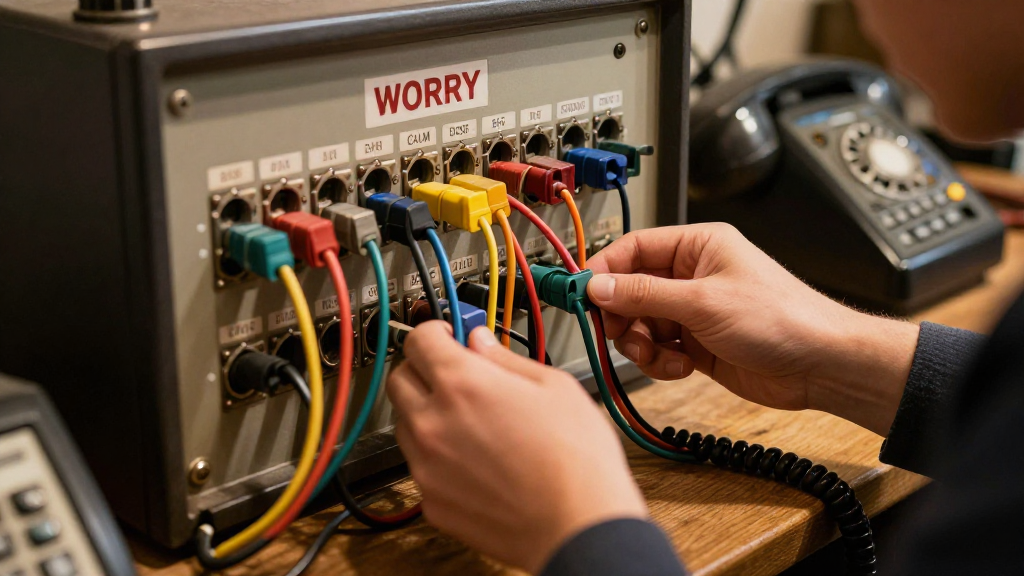
You're sitting in a meeting that hasn't started yet. Just two minutes of waiting. And already your mind is replaying that email you sent this morning-should you have worded it differently? Then it jumps to the presentation next week. Then to whether you're falling behind on that project.

You've tried everything. The breathing exercises. The positive self-talk. The therapy notes you reach for when your chest starts aching and your brain screams that something's catastrophically wrong. You've tried to calm yourself down, reason with the panic, remind yourself you've survived this before.

You're sitting on the train, and suddenly your chest feels tight. Your mind starts racing-jumping from thought to thought, searching for what's wrong. Why am I anxious? What triggered this? But the harder you search, the faster your thoughts move, and the tighter your chest gets.

You've been managing your anxiety the way everyone says you should. When something makes you anxious, you step back. You stay within your comfort zone. You tell yourself it's okay to take a break, to.

Your operation is tomorrow. You've been to the hospital twice a week for months, watching them redress your wound, applying artificial skin that still hasn't closed the way it should. The doctors won't tell you exactly what they're going to do tomorrow-they brush off your questions like you're being difficult. Your heart is racing just thinking about it.

You're cooking dinner, monitoring the kids, and you catch yourself mid-thought-rehearsing what you'll say to your mum about therapy. Again. Here I go again, you think. Overthinking everything. Or maybe you're imagining scenarios about the school transition in September, planning how you'll handle the drop-off anxiety, and suddenly you stop yourself: Why am I still doing this? I thought I was getting better.
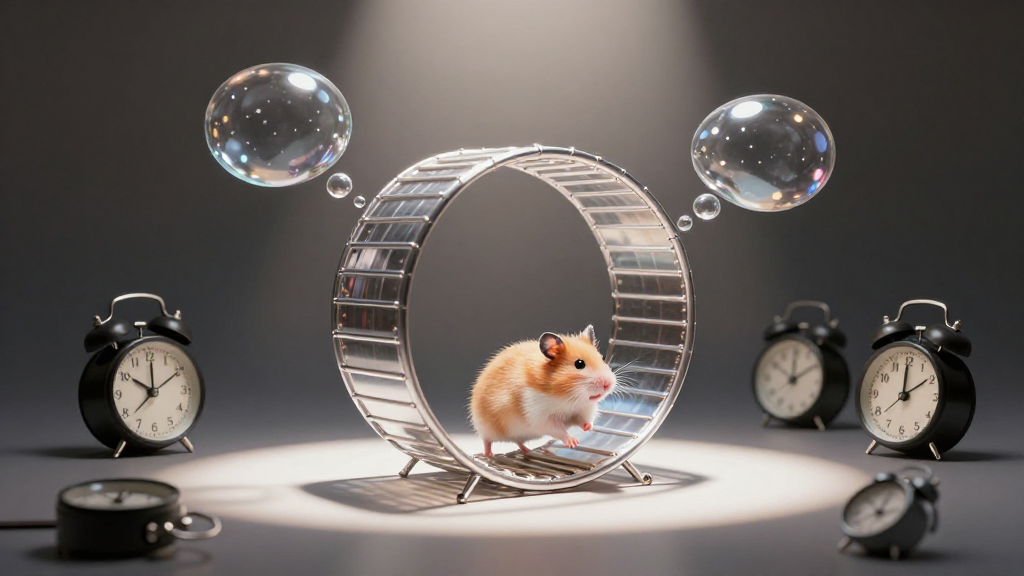
Your mother mentions she's feeling tired. Within seconds, your brain has already constructed a complete narrative: she has a serious illness. You're imagining doctor visits, treatments, outcomes. Then the thought shifts to your daughter-what if something happens to you while she's still young? What about her education? What if your wife gets sick too?

You feel a sensation in your throat-nothing dramatic, just... something. Within seconds, your hand is moving toward your neck. You're checking. Pressing. Feeling for lumps, for changes, for anything that might signal danger.

You wake up and within seconds, the thoughts are there: I'm going to die. Your hand moves to your chest, checking your breathing. Again. You've already checked three times this morning, and it's barely 7 AM. Later, you'll write down your feelings-responding to yourself the way you'd talk to a friend.
You're at a wedding, trying to enjoy the celebration. Your partner is laughing with friends at the next table. The music is beautiful. The food is excellent. And you're staring at your phone again. Another quick check of the baby monitor. Everything's fine.

You've gotten better at managing anxiety. Your scores have improved-anxiety down from 18 to 12, depression from 19 to 11. You can even recognize rumination starting now, right at the beginning, which is huge progress. But here's what still feels mysterious: the anxiety episodes themselves show up without clear warning signs.

You've figured out a workaround. Those numbers that used to make you anxious? You've found a way to flip them. That locker number 13 isn't "bad" anymore-you've reframed it as a "super number" that brings good luck. The anxiety drops almost immediately.

Your heart is pounding. The image flashes through your mind again-vivid, terrible, unstoppable. Your daughter choking. A car accident. Something awful happening while you're not watching closely enough. You try to push it away, but the harder you try, the more the images return.

You've made remarkable progress. Your OCI score dropped from 89 to 40. That 20-minute morning clothing routine? Gone. You no longer feel compelled to go back and pass under signs. But here's what puzzles you: Why did stopping the compulsions make such a difference?

You've been doing everything right. Tracking your triggers. Understanding your patterns. Showing up to sessions. And then—out of nowhere—a massive anxiety attack hits. If that thought has crossed your mind recently, that attack might be one of the clearest signs your therapy is working.

Someone laughs loudly outside your window. Instantly, your whole body goes tense. Heart speeds up. You feel like you need to be on guard—like something bad is about to happen. Discover the off switch for that chest-tightening panic.
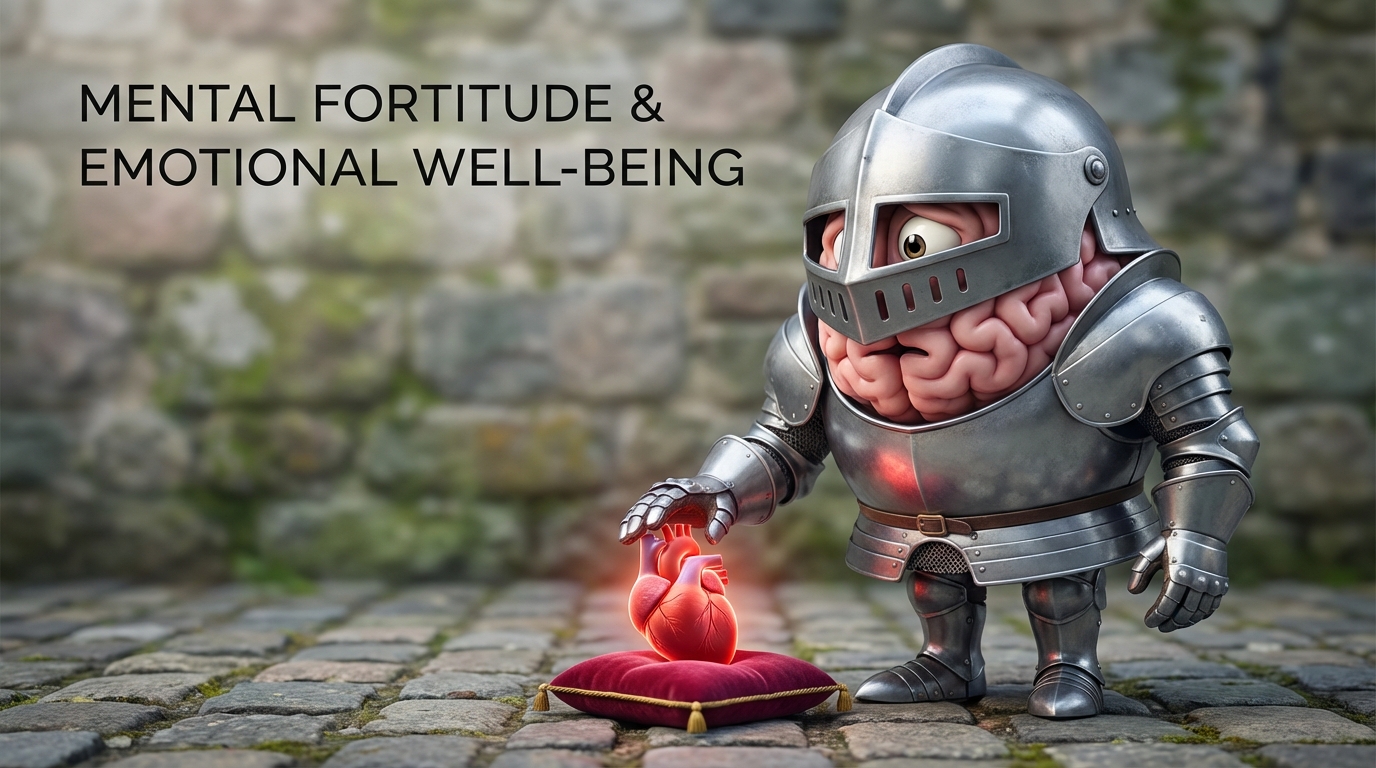
You know that feeling. The one where your mind won't stop scanning for threats—at work, at home, in every conversation. You're waiting for your manager to finally realize you're not good enough. What if that constant threat-detection is actually your brain protecting you?

You're on a large video call. Your camera is on. And somewhere in the back of your mind, a relentless narrator has taken over: Have I been too quiet? Should I say something? The internal monitoring feels protective—but it's the very thing making your anxiety worse.

You're at a work event, and your mind is racing. Am I blushing? Do I look weird? What are my hands doing? Did I just sound stupid? You're trying to catch problems before they get worse. But here's what nobody tells you: that protective monitoring? It's not protecting you. It's the reason your anxiety never gets better.

You finish wiping the floor, the toilet seat, the handles, the tap. Then you wipe yourself down with antibacterial wipes. One minute, one wipe per surface. And for a moment—relief. But here's the strange thing someone noticed when they started delaying these rituals: the intrusive thoughts didn't pile up. They actually got quieter.

The thought arrives without warning. What if something terrible happens to them? Your stomach drops. Your chest tightens. And before you can even process what's happening, you're already praying. Here's what nobody tells you: the very strategy you're using to protect yourself is the reason the thoughts keep coming back stronger.

You've made real progress. The compulsive handwashing has dropped dramatically. You no longer need that shower the moment you get home from work. Your numbers are moving in the right direction. But there's this one thing that won't budge. The work toilet situation...

You followed the plan. You pushed yourself. And at the end of the week, you still did the thing you were trying not to do. So it was a failure. Right? Not so fast. If your exposure therapy journey has taken an unexpected turn—maybe life threw you into a situation way beyond what you were "supposed" to be working on...
There are three handles in your kitchen you have stopped using normally. One is near the bin—people touch it right after throwing rubbish away. The other two are by the laundry area, where hands meet handles after touching dirty clothes. You have watched it happen. You have seen the contamination...

You've done something most people never manage to do. You've mapped your OCD—counted every ritual, identified every trigger, catalogued the whole exhausting landscape. Twenty-one behaviors. And now you're staring at that list thinking: How am I supposed to work on 21 different things?
You have done something most people never manage to do. You have mapped your OCD—counted every ritual, identified every trigger, catalogued the whole exhausting landscape. Twenty-one behaviors. Hand washing. Surface cleaning. Showering routines. And now you are staring at that list thinking: How am I supposed to work on 21 different things?
You touch a doorknob. Someone else touched it before you. And immediately, the thought arrives: What if I get seriously ill? So you wash your hands. Properly. With soap. And for a moment you feel okay. Then you start wondering: Did I wash thoroughly enough? And the nagging returns...

Your stomach drops when you see an email from HR. You analyze every word from your manager, looking for hidden meanings. A colleague seems short with you, and suddenly you're mentally preparing for the meeting where you'll be told you've done something unforgivable...

You know something is wrong. The workplace incident was relatively minor—an accusation from someone you barely interact with, maybe once every couple of months. HR will handle it. Logically, you understand this. But two weeks later, you're still off work...

You come home from a social event and the replay starts. That moment when you asked a question and got a short answer—did you say something wrong? Was it boring? You run through it again. And again. Fifty times, maybe more...

You sat down to do the homework. Write about your fears. Face the thoughts about death, about not existing, about the end of consciousness. You wrote two words. Maybe three. And then your body said no. Not a gentle no. A full-system shutdown.

You've done everything right. Dimmed your screens. Adjusted your bedroom temperature. Cut back on caffeine. And still, night after night, the same pattern. Here's what nobody tells you: if you've tried all the standard sleep hygiene advice and nothing has worked, you're probably not dealing with a sleep problem.

You've been running from your own mind — those catastrophic fears about your husband's heart, your dog getting sick, something happening to your son. By the end of this page, you'll stop running. The feelings won't destroy you.

Your manager sends you a message asking about a project deadline. Just a simple scheduling question. But you read it five times. Each time, you're certain there's something underneath it—she's questioning your competence, building a case, preparing to let you go.

Your heart is pounding—150 beats per minute, maybe more. Your chest is tight. You can't catch your breath. And somewhere in the back of your mind, a voice is screaming: Something is seriously wrong. My body is shutting down.
Your heart is pounding. You're standing in the office kitchen, and a colleague is right there. You could say something. But your mind races with reasons not to. You do it anyway and nothing terrible happened. So why doesn't it feel like progress?
You sit down to complete a task. Ten minutes later, you're working on something else entirely. Before you know it, you've touched six different things and finished none of them.

He shifts position on the couch. Just a stretch. Maybe. But it looks exactly like the movements before his last episode. Your chest tightens. The words are already forming: Are you okay?
You check the app again. Heart rate looks stable. You listen for his breathing. Still there. You scan for signs of distress. Nothing yet. But you don't relax. You can't.

Imagine a friend who agrees with everything you say. Every thought, every belief, every wild idea—validated without question. Available 24/7. Never judging. Never pushing back. Never telling you when you're wrong. Sounds helpful, right? Actually, for some people, it's destroying their grip on reality.

Picture this: You hire a career coach to fix your work stress, see a relationship therapist for marriage issues, work with a nutritionist for health goals, and consult a financial advisor for money problems. Each expert knows their field inside and out. Yet somehow, you're still struggling with the same underlying patterns across multiple areas of your life...

It's 6 PM on a Tuesday. The kitchen smells of roasted chicken and vegetables—a meal you chose specifically because your child ate it happily just last week. Your five-year-old takes one look at the plate and declares, "I hate chicken! I'm not eating this!" Your shoulders tighten. Your jaw clenches. Here we go again.

That wedding invite? It sat in Barbara's purse like a bomb. Just knowing it was there made her heart race. Her chest felt tight. Her sister was getting married in California...
Do you wake up feeling heavy, unmotivated, and dreading the day ahead? Morning depression is more common than you think, affecting millions of people...