


Your therapist just gave you a three-pronged exposure plan: delay your breathing checks by five minutes, practice five-second visualizations of dying, and look at cancer-related content. You're already struggling with severe health anxiety-intrusive thoughts about dying, vivid images of suffocating in a hospital bed, constant worry about blood clots and heart attacks. And now, on top of starting sertraline (which is making your morning anxiety even more intense), you're supposed to deliberately make yourself MORE anxious?
It feels completely backwards.
But what if I told you that the very thing you've been doing to manage your anxiety-the checking, the avoiding, the reassurance seeking-is the hidden reason your anxiety keeps coming back stronger?
What Happens When You Check to Feel Better
When that overwhelming urge hits to check your breathing, what happens the moment you do it?
Instant relief, right? The anxiety drops immediately. Same thing when you push away thoughts about dying, or when you get reassurance from your doctor. There's this powerful sense of "okay, I'm safe now."
That relief feels like proof that checking works. That it's protecting you.
But here's what happens an hour later. Or the next day. Or sometimes within minutes.
The urge comes back. And it doesn't just come back-it comes back stronger. More urgent. More insistent. Until you absolutely HAVE to check again or something terrible will happen.
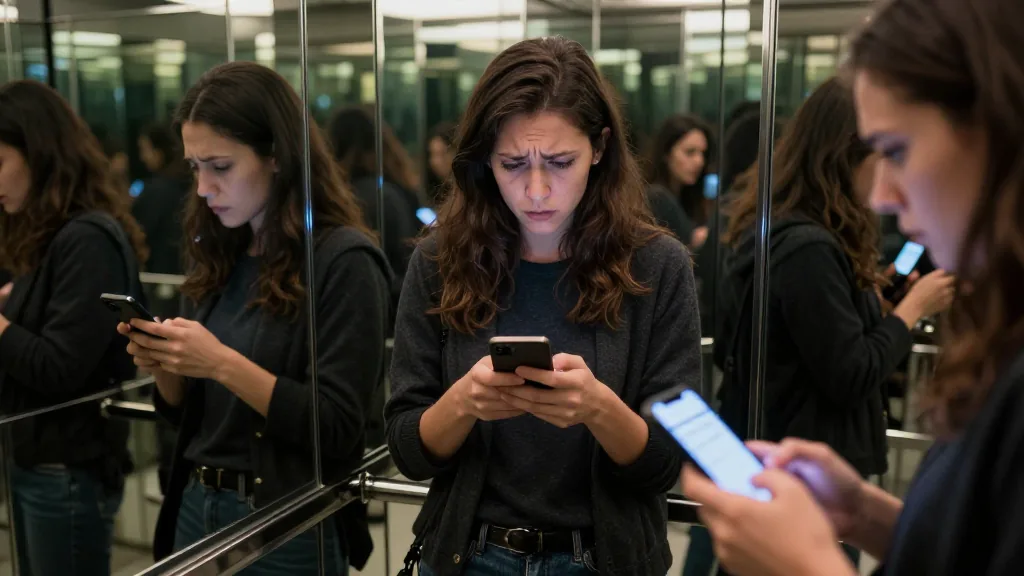
And if you track this pattern over weeks and months, you notice something disturbing: you're checking more frequently than you used to. The anxiety is MORE intense than before. The relief lasts for shorter and shorter periods.
So if checking is supposed to reduce your anxiety, why is your anxiety getting worse?
What Nobody Tells You About Safety Behaviors
When most people experience persistent health anxiety, they assume the problem is the anxiety itself-the racing thoughts, the physical sensations, the intrusive images. So naturally, they try to reduce those feelings through checking, avoiding, and seeking reassurance.
But research on anxiety disorders has revealed something surprising: in the majority of cases, it's not the anxiety that's maintaining the problem. It's your attempts to reduce the anxiety.
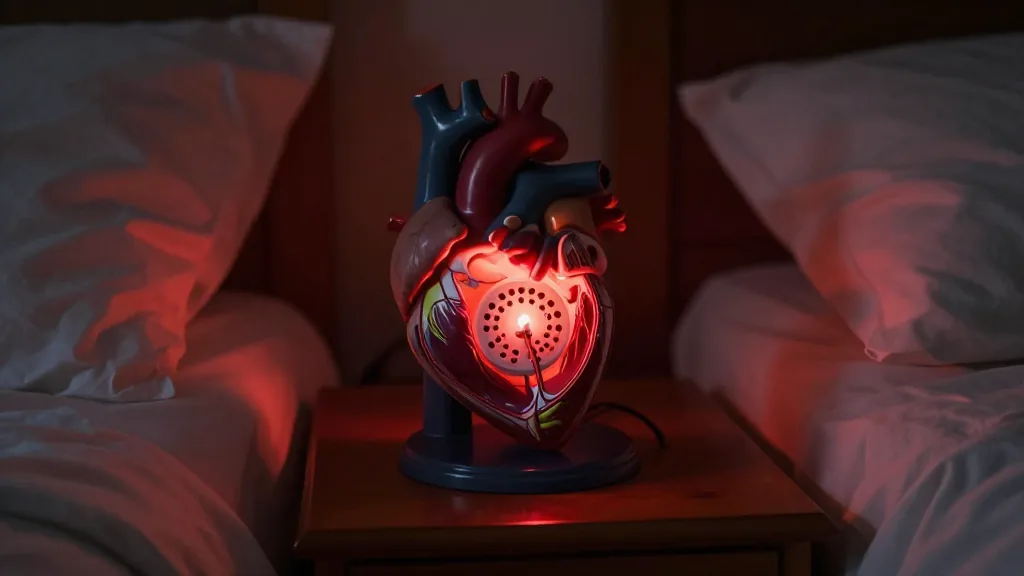
Every time you check your breathing and feel that instant relief, you're sending a powerful message to your brain: "You were right to sound the alarm. This WAS dangerous. Thank you for making me check."
Your rational mind knows you're breathing fine-obviously, or you'd be unconscious. But your anxiety brain doesn't care about logic. It cares about what you DO. And what you're doing is treating the urge to check as a legitimate threat signal.
This is why studies show that safety behaviors-the things we do to feel immediately safer-actually prevent people from discovering that their fears are unrealistic. While these behaviors provide temporary relief, they inadvertently maintain and worsen anxiety symptoms over time.
The instant relief is the problem, not the solution.
Why Every Check Makes Your Brain More Anxious
Think about what you're teaching your threat detection system:
When you check your breathing → "Breathing is dangerous and needs constant monitoring"
When you push away thoughts about death → "These thoughts are so threatening I can't tolerate them for even one second"
When you avoid cancer-related content → "Cancer information is a major threat to my wellbeing"
When you seek reassurance about medical outcomes → "I'm not safe unless I have certainty"
Each safety behavior tells your brain: the thing you're afraid of is genuinely dangerous. Keep sounding the alarm. Actually, sound it LOUDER next time.
This explains why your anxiety has been escalating instead of improving. Why you went through that recent spiral that left you unable to function. Why the urges come back within minutes, more intense than before.
You've been accidentally training your brain to treat these triggers as increasingly dangerous.
How to Retrain Your Anxious Brain
So what's the alternative? If checking makes it worse, what are you supposed to do when that overwhelming urge hits?
This is where your three-pronged exposure plan comes in-and why it seems so backwards at first.
The conventional approach to anxiety is: reduce the anxiety first, THEN take action. Calm yourself down before facing challenges. Wait until you feel ready.
But research on exposure therapy over the past two decades has revealed something counterintuitive: the most effective way to retrain an anxious brain is to do the exact opposite.
Instead of checking when the urge hits → delay the check by five minutes
Instead of pushing away death imagery → allow it to be present for five seconds
Instead of avoiding cancer content → briefly view it
You practice taking action WHILE anxious, not after the anxiety subsides.
And here's the surprising part: this reversed approach produces moderate to large improvements in health anxiety, with effects lasting 12-18 months after treatment. It also significantly reduces intolerance of uncertainty, worry, anxiety, and depression.
The evidence is clear: flipping the method works better than the conventional approach.
The Exposure Therapy Secret That Makes It Work
But WHY does doing the opposite work? It's not just about "facing your fears" or "being brave." There's a specific mechanism operating behind the scenes.
When you delay that five-minute breathing check and nothing bad happens, your brain receives new information. Not intellectual information-experiential information. Evidence.
Research on anxiety treatment shows that this process works through something called inhibitory learning. Your brain doesn't erase the old association ("not checking = danger"). Instead, it forms a NEW, competing association: "I didn't check and I survived. The anxiety itself isn't dangerous."
Here's the critical part: this new learning only happens during moments of anxiety.
If you wait until you're calm to practice, you miss the window. The brain needs to form the new association while the old threat signal is active-that's when inhibitory learning is strongest.
This is why exposure must happen while you're anxious, not after you've calmed down. You're not trying to eliminate the discomfort before taking action. You're learning to function WITH the discomfort present.
The goal isn't comfort. It's resilience.
Why Seeking Certainty Keeps You Anxious
You mentioned that your mind automatically jumps to "giving up" when you consider the lack of control over medical outcomes. Your GP said you'll have hormonal issues for the next 10 years, and you can't know for certain that you won't develop blood clots, or have a heart attack, or get cancer from the medication.
That need for certainty feels absolutely essential, doesn't it? Like you can't possibly function without knowing what's going to happen.
But here's a question: what percentage of certainty do your friends have about their medical futures? Do people WITHOUT health anxiety know for sure they won't get blood clots or cancer?
No. Nobody knows the future. They don't have any more certainty than you do.
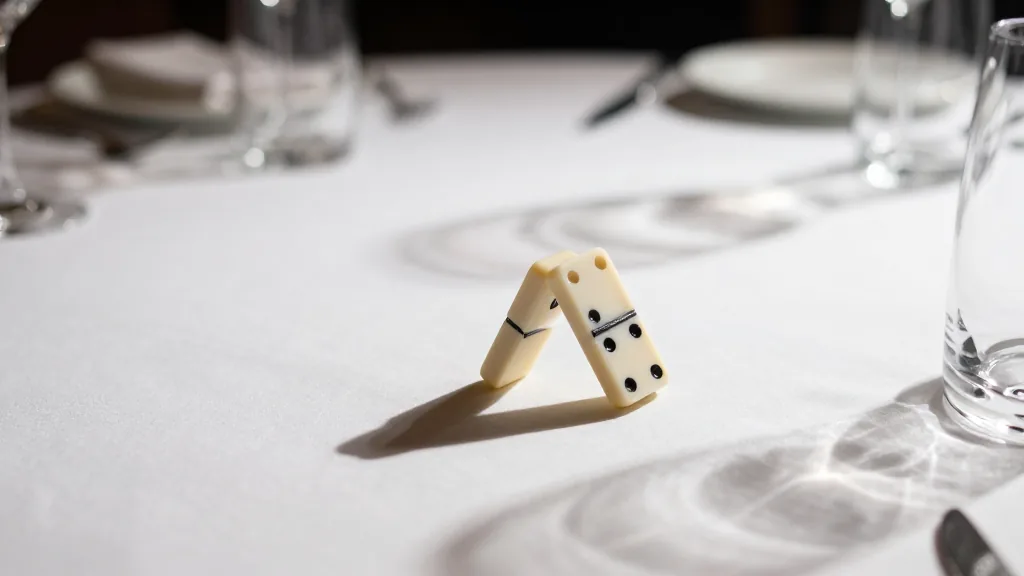
The difference isn't that they have certainty and you don't. The difference is they can tolerate uncertainty.
And here's what research on intolerance of uncertainty reveals: it's trainable, like a muscle. Studies show that psychological treatments targeting intolerance of uncertainty produce large therapeutic effects-reducing not just uncertainty distress, but also worry, anxiety, and depression. Research shows that improving uncertainty tolerance is a key driver of reductions in worry during treatment.
But here's the counterintuitive part: trying to GET certainty through checking, researching symptoms, or avoiding scary content actually INCREASES your intolerance. It's like trying to build muscle by never lifting weights.
Every time you seek certainty and get temporary relief, you're teaching your brain: "I can't handle not knowing. Uncertainty is unbearable."
When you practice brief exposure to uncertainty-looking at cancer content for short periods, allowing death imagery for five seconds-you're doing the psychological equivalent of lifting weights. You're building your capacity to function despite not knowing outcomes.
The practice feels uncomfortable because that's how muscles grow.
Is the Medication Making You Worse?
You mentioned that starting sertraline has made your anxiety worse, especially in the mornings. You've been terrified that this means the medication is making you worse or causing a dangerous reaction.
Here's what the research shows: a temporary increase in anxiety or jitteriness on SSRIs is a recognised early side effect in the first weeks of treatment. It's not a sign that the medication won't work or that something is wrong.
Recent studies found that sertraline has beneficial effects on psychological anxiety symptoms (depressed mood and anxious thoughts) as early as two weeks, but these can be temporarily counteracted by worsening of physical symptoms. Importantly, early anxiety increase does NOT predict poor treatment outcomes.
Knowing this is a normal, temporary side effect changes the meaning of your morning anxiety, doesn't it? It's not a dangerous reaction. It's your brain adjusting to the medication while the therapeutic effects begin to take hold.
You can practice your exposure work even while experiencing medication-related anxiety. In fact, you've already been doing this-you've practiced compassionate self-talk for 4-5 days, used grounding techniques, and gone outside despite anxiety symptoms. You've been taking action ALONGSIDE anxiety, not waiting for it to disappear first.
The same principle applies to your three-pronged exposure plan.
How to Take the First Step Tomorrow
You already identified the perfect opportunity: tomorrow morning when you wake up, when the anxiety and intrusive thoughts about dying are at their strongest.
Instead of immediately checking your breathing, here's what you'll do:
Set a timer for five minutes. This is your first exposure practice-delaying the breathing check.
Use your grounding techniques while you wait. Notice five things you can see, four things you can touch, three things you can hear.
Talk to yourself the way you've been practicing. "This is just anxiety. I've delayed before and been fine. The discomfort won't hurt me. I'm building my tolerance for uncertainty."
Pay attention to what your brain learns. When the five minutes pass and you're still breathing, you're giving your brain new evidence: "I can survive not checking. The anxiety itself isn't dangerous."
The goal for this first practice isn't to feel less anxious during those five minutes. Most people feel MORE anxious at first-that's expected and actually necessary for the inhibitory learning to work.
The goal is simply to complete the delay. To stay present with the discomfort. To teach your brain something new.
You're measuring behavioral change (did you delay for five minutes?) not symptom reduction (did the anxiety go down?).
And you're doing this with the same compassionate voice you've been practicing. You can feel terrified AND do the practice anyway. They can coexist.
What Happens After Your First Success
Once you complete that first five-minute delay, something shifts. You have evidence-not from a therapist or an article, but from your own experience-that you can tolerate the uncertainty and discomfort.
That evidence makes the second practice slightly easier. Not because the anxiety is lower, but because you're building the skill of functioning despite it.
The five-second death imagery practice follows the same principle. You're not trying to make the images more vivid or dwell on them. You're briefly allowing them to be present-just five seconds-without pushing them away or neutralizing them. Teaching your brain that thoughts are just thoughts, not actual threats.
Same with viewing cancer-related content. Brief exposure, building tolerance, gathering new evidence.
You're retraining your threat detection system. Not by eliminating the threats (you can't control medical outcomes), but by changing how your brain responds to uncertainty.
You're building the capacity to live your life even when you don't know what will happen.
Because here's what you're discovering: people without health anxiety don't have more certainty about their medical futures. They just don't require certainty in order to function.
And that capacity-to act despite uncertainty, to tolerate discomfort, to let anxious thoughts exist without controlling you-that's not something you either have or don't have.
It's something you build. Five minutes at a time.
What If It Still Feels Terrible?
You're ready to try that first five-minute delay tomorrow morning. You understand the mechanism, you see why safety behaviors maintain the problem, you recognize that building uncertainty tolerance is the path forward.
But there's still a question lingering, isn't there?
What happens when you DO the exposure practice-when you delay checking or practice the brief imagery-and your anxiety stays just as high? Or even increases over multiple attempts?
How do you know the difference between effective exposure that's retraining your brain... and just re-traumatizing yourself?
That's what we need to talk about next.
What's Next
Stay tuned for more insights on your journey to wellbeing.
References
- Salkovskis, P. M. (1991). The importance of behaviour in the maintenance of anxiety and panic: A cognitive account. Behavioural and Cognitive Psychotherapy, 19(1), 6-19. https://doi.org/10.1017/S0141347300011472
- Wilson, E. J., Abbott, M. J., & Norton, P. J. (2023). The impact of psychological treatment on intolerance of uncertainty in generalized anxiety disorder: A systematic review and meta-analysis. Journal of Anxiety Disorders, 97, 102729. https://doi.org/10.1016/j.janxdis.2023.102729


Comments
Leave a Comment