

CBT Psychotherapist (BABCP) · 30+ yrs, 1,600+ clients
With over 15 years specializing in CBT and trauma therapy, I help individuals recover from complex emotional difficulties and reclaim their lives.
Verified by: Psychology Today · BABCP · Contributing expert to the Mental Health Foundation’s Boiling Point report.
Recognised provider for: Aviva, AXA Health, Vitality, and WPA private medical insurance.

You've done the work. You've named the pattern. You can see the scapegoating dynamic clearly now. So why does the shame still feel so heavy? For years, the therapeutic advice has been consistent: write about your experiences. Process them. Organize them. Put words to what happened.

You're texting again. The third message in two hours, each one a little more desperate than the last. Your daughter hasn't responded to your invitation, and that silence is crushing your chest like a physical weight. You know you should stop. You know you're doing the thing you promised yourself you'd never do again. But the panic rising in your throat demands action, demands proof that you still matter, that you haven't been abandoned.

Your supervisor catches you in the hallway with an unexpected question about a project. Your heart starts racing. Pressure builds in your chest. And then-nothing. Your mind goes completely empty. You can't form words.

You've documented it all. Every incident, every moment that still stings. The time she asked the hospital to assess you for learning disabilities while you were fighting cancer. The wedding where she couldn't just be happy for you. Last week when you praised someone and instead of acknowledging your excitement, she immediately brought up another similar situation, dismissing what you'd shared. You went flat, like always.

Your partner asks what you want for dinner, and your mind goes blank. Not because you don't have preferences-but because stating one feels dangerous somehow. Like you're being demanding. Taking up too much space...

What most people don't see when they "manage" their partner's reactions is an invisible system running behind the scenes-one that was installed decades before they ever met their spouse. It's called compulsive caregiving...

You learned something crucial in that house: the safest version of yourself was the invisible one. The people-pleasing isn't a strategy-it's protection. The anxiety isn't a defect-it's survival architecture from childhood emotional invalidation...

You find yourself asking your therapist, your partner, your friends: "Do you think this is the right choice?" You can't move forward until someone else confirms you're not making a mistake. And then you hate yourself for it...

You've tried to leave five times. Each time, the same crushing weight lands on your chest. So you stay in a relationship that stopped feeding you years ago, and you hate yourself a little more each day for not being strong enough to just go. But here's what almost no one tells you about why you're stuck: You're aiming at the wrong target entirely.

You've been working on it for months. The intrusive images from the workplace trauma. The pattern of reaching for takeaway orders when stress hits. The silence on calls when you know you should speak up. You've made progress-real progress. But somewhere along the way, you accepted a quiet assumption: you'll be managing these symptoms for the rest of your life.

Almost every resource on trauma recovery focuses on the same essential elements: understanding what happened, processing memories, learning it wasn't your fault, developing self-compassion. But there's a critical distinction these approaches often overlook entirely-a single factor that research shows can determine whether trauma processing actually leads to healing or keeps you trapped in the same cycle.

You have made remarkable progress. Your PTSD score dropped from 55 to 11-an 80% improvement. Except for that one piece you are still avoiding. The school trauma. Discover how completing unfinished trauma healing can naturally dissolve persistent emotional eating patterns.

It's 9:47 PM. You've finished dinner hours ago, but you're standing in front of the cupboard again. Your hand reaches for the chocolate. Then the crisps. Maybe some sweets after that. You tell yourself this is the last time, that tomorrow you'll have more discipline.

You know that feeling when a memory hits and suddenly your chest tightens, your breath catches, and you're not quite here anymore? When the disconnection settles in so deep that getting involved with anything-people, plans, even your own life-feels like trying to swim through glass.

For years, trauma therapy has operated on a simple premise: avoidance keeps you stuck, exposure sets you free. But when you try to access difficult memories, you hit a wall. Emotional flatness. Nothing. Here's what's actually happening: Your nervous system is hitting a circuit breaker...
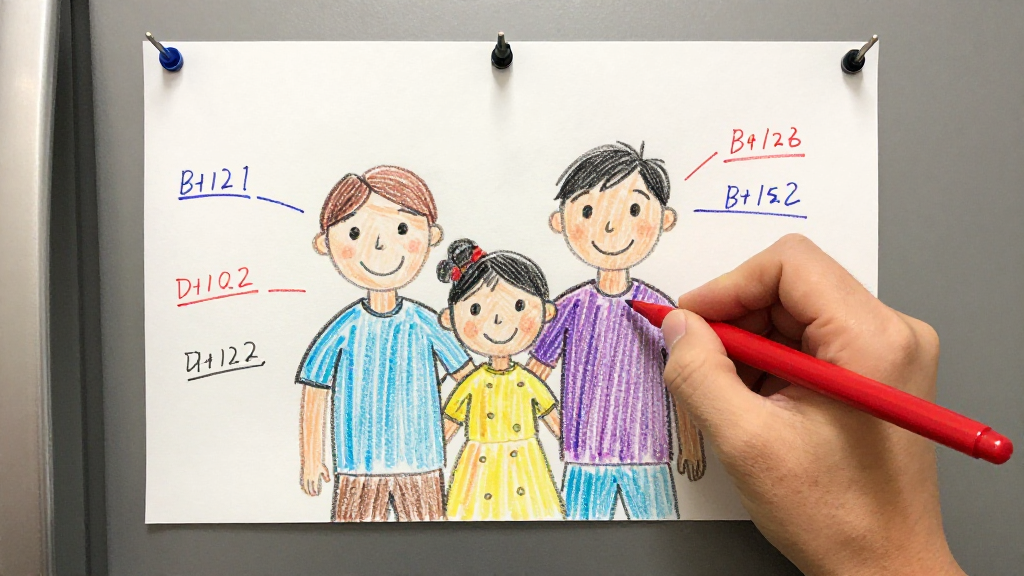
By the time you reach the end of this page, you'll stop questioning if you're enough and start trusting that your voice matters—all on its own. You've spent years trying to be better. More organized. More capable. More put-together. You apologize before you even know if something was your fault.

Before you finish reading this, you'll discover a simple shift in how you speak about your feelings that rewires your brain, releases decades of carried shame, and opens you to fully receive the love you've always deserved.

Your body is sending clear signals: the fog in your head, the ache in your muscles, the exhaustion that makes every movement feel like pushing through water. You're sick. Your body is asking-practical...

You've done the work. You created a detailed document-ten pages cataloging fifteen different moments when your mother dismissed you, invalidated you, made you feel invisible. You thought getting it all down on paper would help. But it didn't...

You've been trying to stop for two decades. Twenty years of promising yourself this is the last time. Twenty years of succeeding for a few weeks, maybe a month, then crashing back harder than before. Twenty years of searching for the spiritual discipline, the moral strength, the sheer determination that would finally make it stick.

You're exhausted. You feel like you have to work harder than everyone else just to be taken seriously. When things get uncertain or you need to change course, the overwhelm crashes over you like a wave. So you push harder. But here's what keeps happening: the harder you work, the more exhausted you become.

Your supervisor gives you unexpected feedback at work, and suddenly you're frozen. Your mind goes blank. You can't form words, can't process what's being said, can't think clearly enough to respond. You're there but not there.

You did the work. You sat with the memory. And something remarkable happened: that memory dropped from 100% intensity to 30%. So why did you have a severe anxiety attack three days later? Here's what most people don't understand about post-therapy rawness.

Your week was a rollercoaster. Friday's work email sent you into a spiral of anger. Wednesday brought an anxiety attack that felt like it came out of nowhere. And somewhere in the middle, a trauma memory exercise dropped in intensity from 100% to 30%. So which is it—are you getting better or worse?

You've told the story a hundred times. The facts are clear—you know exactly what happened. And yet, when you speak about these memories, something feels off. The words come out, but the emotion doesn't come with them. Discover why processing trauma in your native language opens doors that a second language cannot.
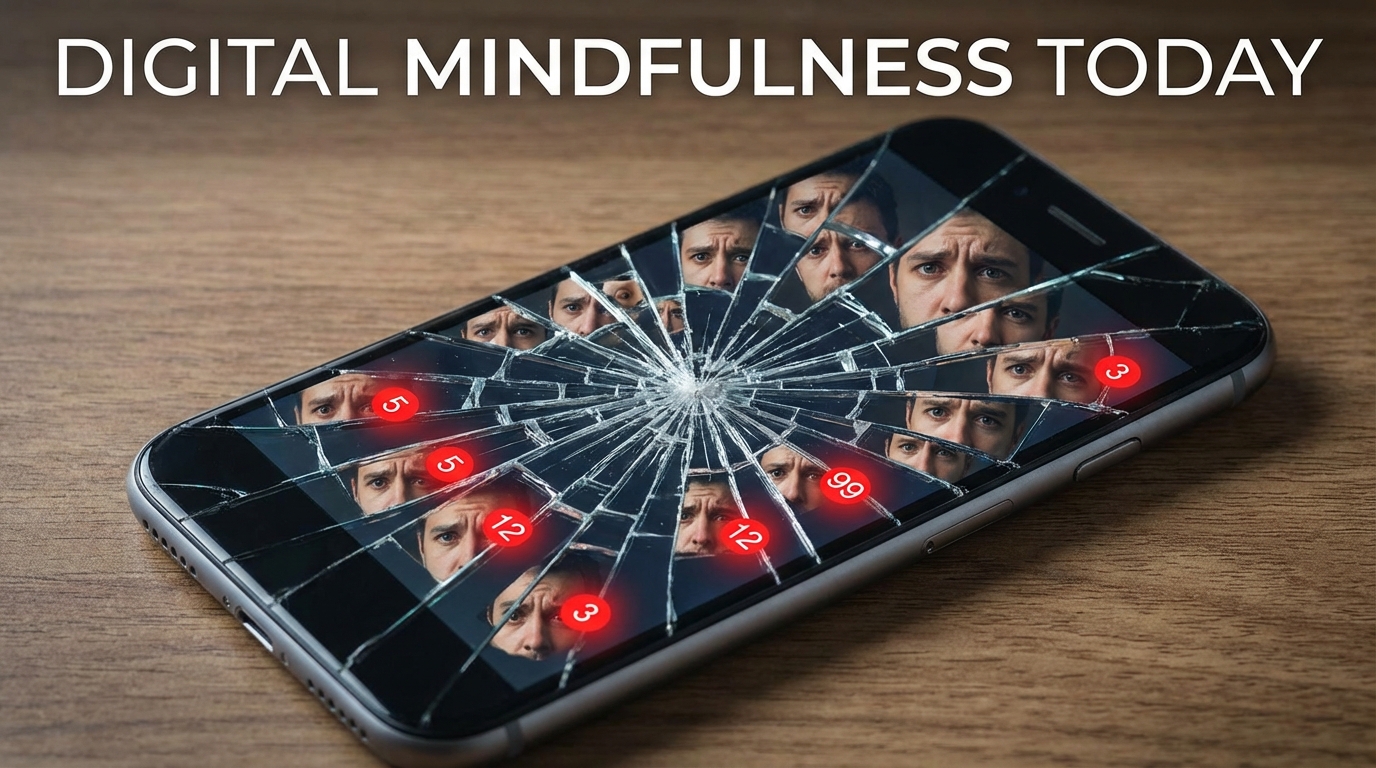
Two coworkers said it within the same week. "You seem more serious lately." "This isn't like you." You used to be the one people made jokes with. The person who could fire back something funny without thinking twice. Now you're reading a sarcastic message five times, trying to decode whether someone is actually upset with you...

By the end of this page, you'll have evidence you can count — evidence that automatic self-blame is a pattern, not who you are. So the next time that familiar flinch hits, you won't be trapped inside it.
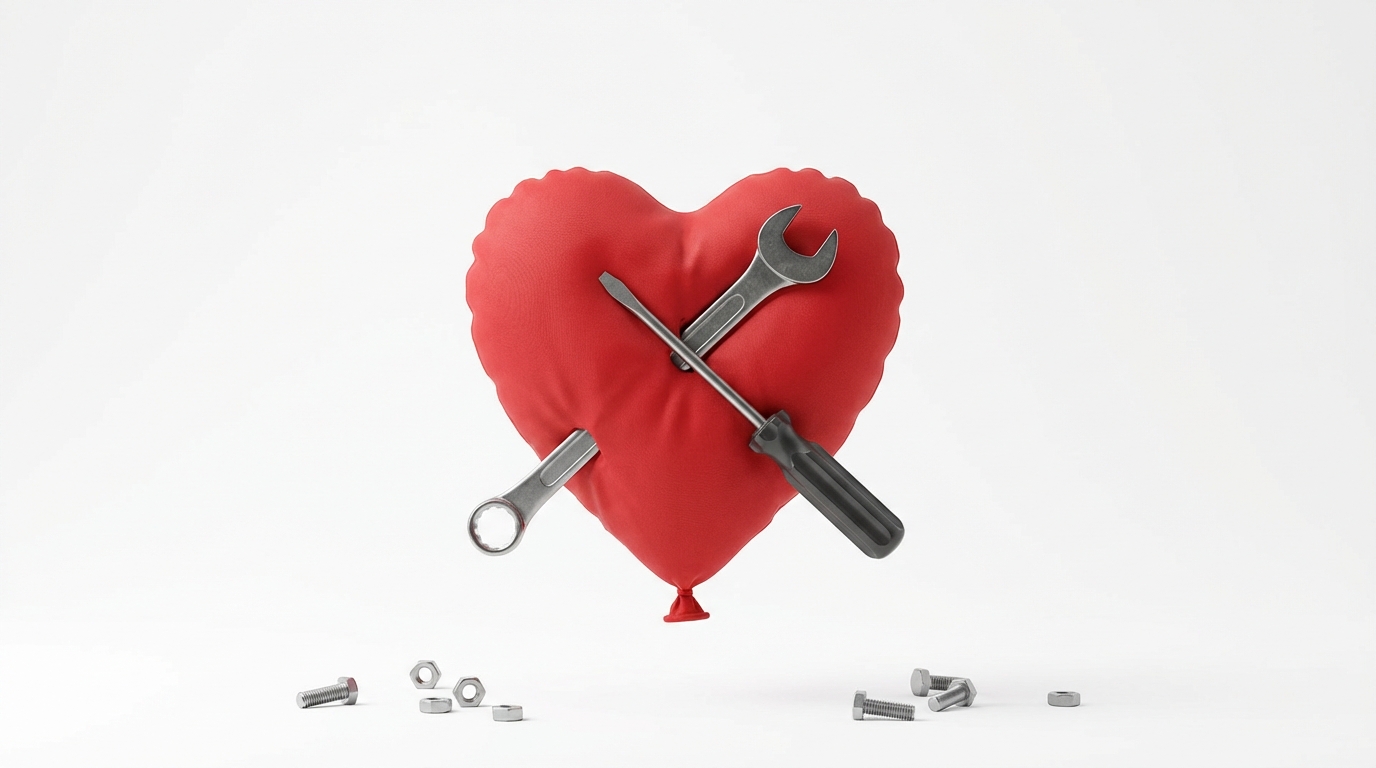
You're good at solving problems. Maybe that's what you do for a living—quality improvement, engineering, operations. Or maybe you're just the person everyone calls when something breaks. Your brain has been trained to respond a certain way: Notice the problem. Analyze the cause. Implement the fix. Move on.

You know the feeling. With your parents, you're one version of yourself. With your partner, another. At work, yet another. With different friend groups, you adjust, shift, reshape—and by the end of the day, you feel hollowed out.

You're with your spouse. Or your parents. Or colleagues at a work dinner. And instead of just being there, part of your mind is running calculations. What do they need from me right now? What's the right thing to say?
You're in a meeting. Someone asks your opinion. And before you can even register what you actually think, you're already scanning faces, calculating what they want to hear. By the time you open your mouth, you're not sure anymore whether you're speaking your mind—or performing a version of yourself.
Three separate times, the police knocked on your door to tell you they'd found someone dead. Three times before they found your brother. Now you're waiting. Brain samples being tested. Results that could take months. A death certificate that lists only when he was found—not when he actually died.
You wake up and you don't want to move. The blanket stays pulled up. Noon comes and goes. Getting dressed feels pointless because what's the point? If you're grieving someone while still waiting for answers, that frozen feeling isn't a sign you're failing at grief.
You're lying awake at 3am. Your mind won't stop. It feels like broken glass rattling around inside your head—sharp, chaotic, impossible to organize. And when someone says "just try not to think about it" or "you need to snap out of it," something inside you wants to scream.

You're running on empty. Not the kind of tired that sleep fixes—something deeper. A bone-level exhaustion that makes everything harder. And here's what makes it worse: you've been trying so hard.

If you've asked yourself whether you're becoming too attached to AI, you're not alone. Articles are circulating with alarming headlines about AI hijacking your brain. As a therapist with 27 years experience, I wanted to cut through the noise and give you something more useful than fear.

Something strange happens when new technology emerges. Within weeks, sometimes days, certain Christian circles reach consensus: "It's dangerous." But here's what troubles me: the speed and uniformity of these responses don't look like spiritual discernment. They look like something else entirely.

I've spent 27 years helping people recover from trauma. Over 1,600 people have walked through my doors, and one question keeps showing up: "What's my purpose?" The neuroscience says something completely different from traditional advice. Your brain doesn't find purpose—it constructs it.

Imagine a friend who agrees with everything you say. Every thought, every belief, every wild idea—validated without question. Available 24/7. Never judging. Never pushing back. Never telling you when you're wrong. Sounds helpful, right? Actually, for some people, it's destroying their grip on reality.

Picture this: You hire a career coach to fix your work stress, see a relationship therapist for marriage issues, work with a nutritionist for health goals, and consult a financial advisor for money problems. Each expert knows their field inside and out. Yet somehow, you're still struggling with the same underlying patterns across multiple areas of your life...

It's 6 PM on a Tuesday. The kitchen smells of roasted chicken and vegetables—a meal you chose specifically because your child ate it happily just last week. Your five-year-old takes one look at the plate and declares, "I hate chicken! I'm not eating this!" Your shoulders tighten. Your jaw clenches. Here we go again.

That wedding invite? It sat in Barbara's purse like a bomb. Just knowing it was there made her heart race. Her chest felt tight. Her sister was getting married in California...
Do you wake up feeling heavy, unmotivated, and dreading the day ahead? Morning depression is more common than you think, affecting millions of people...