

You're staring at the screen, re-reading the same paragraph for the third time. The words blur together. It's 2:30 AM, you're fighting a cold, and your mini MBA assignment is due Friday. Your brain won't turn off, but it also won't work properly.
Everything takes three times longer than it should. You know you need to stop, but there's too much to do. So you push through, feeling more frazzled with each passing hour.
If you've been here, you already know what conventional wisdom says: work harder, manage your time better, push through the fatigue. After all, successful people do what others won't, right?
But here's what's actually happening-and why working longer is making everything worse.
What Nobody Tells You About Working on Empty
When you're working late into the night while physically unwell, there's a process happening behind the scenes that you can't see. Your prefrontal cortex-the part of your brain responsible for decision-making, focus, and complex thinking-is progressively depleting.
Neuroscientists call this "ego depletion."
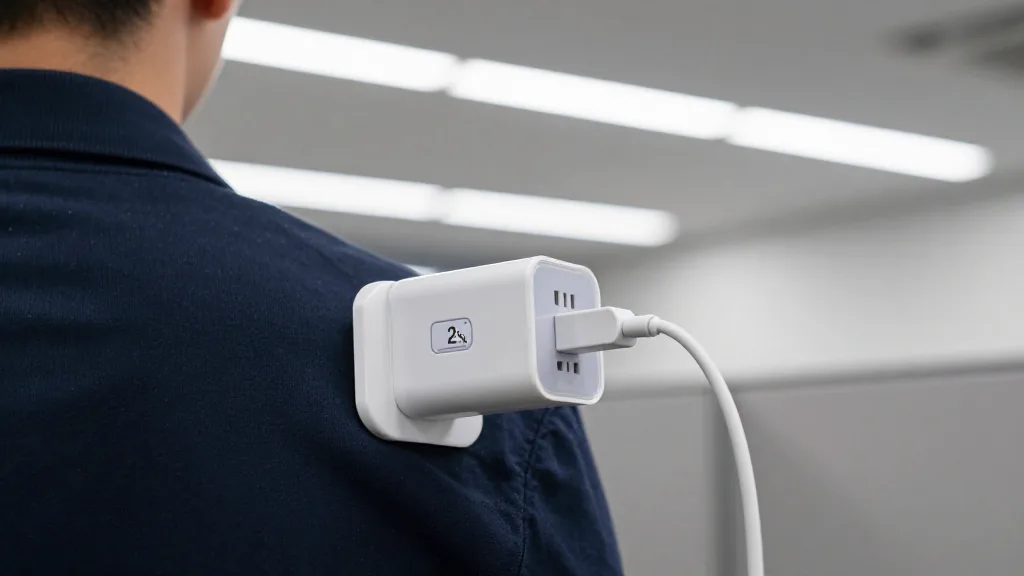
Think of it like your phone battery, except more complicated. When your phone hits 20%, everything still works-it just works more slowly. Your brain does something similar, but with a cruel twist: at 20% capacity, your brain doesn't just slow down. It starts requiring MORE energy to do the SAME tasks.
That paragraph you're re-reading for the third time? At full capacity, you'd have processed it in one pass. At depleted capacity, your brain is working three times harder to achieve the same comprehension. This is why everything feels like it takes forever when you're in that 2:30 AM state.
And here's the part most people miss: when you're physically unwell on top of mentally exhausted, you're experiencing what researchers call "presenteeism stress"-where pushing through illness compounds both physical and psychological strain. You're not just depleted. You're depleting faster than usual while recovering slower than usual.
The Truth About Working More Hours
When you're drowning in deadlines and working until 2:30 AM, what's the obvious problem?
Not enough time, right?
That's what most people conclude. And it's what drives the solution: work more hours. Sacrifice sleep. Push harder.
But watch what actually happens. You sit down at 10 PM to work on your MBA assignment. At 10 PM, with a depleted brain, a task that would take 30 minutes at full capacity now takes 90 minutes. At midnight, that same task takes two hours. At 2 AM, it takes three hours-if you can complete it at all.
You're not solving a time problem by adding more hours. You're making an efficiency problem worse.
The real cause isn't time scarcity. It's working in a progressively depleted state.
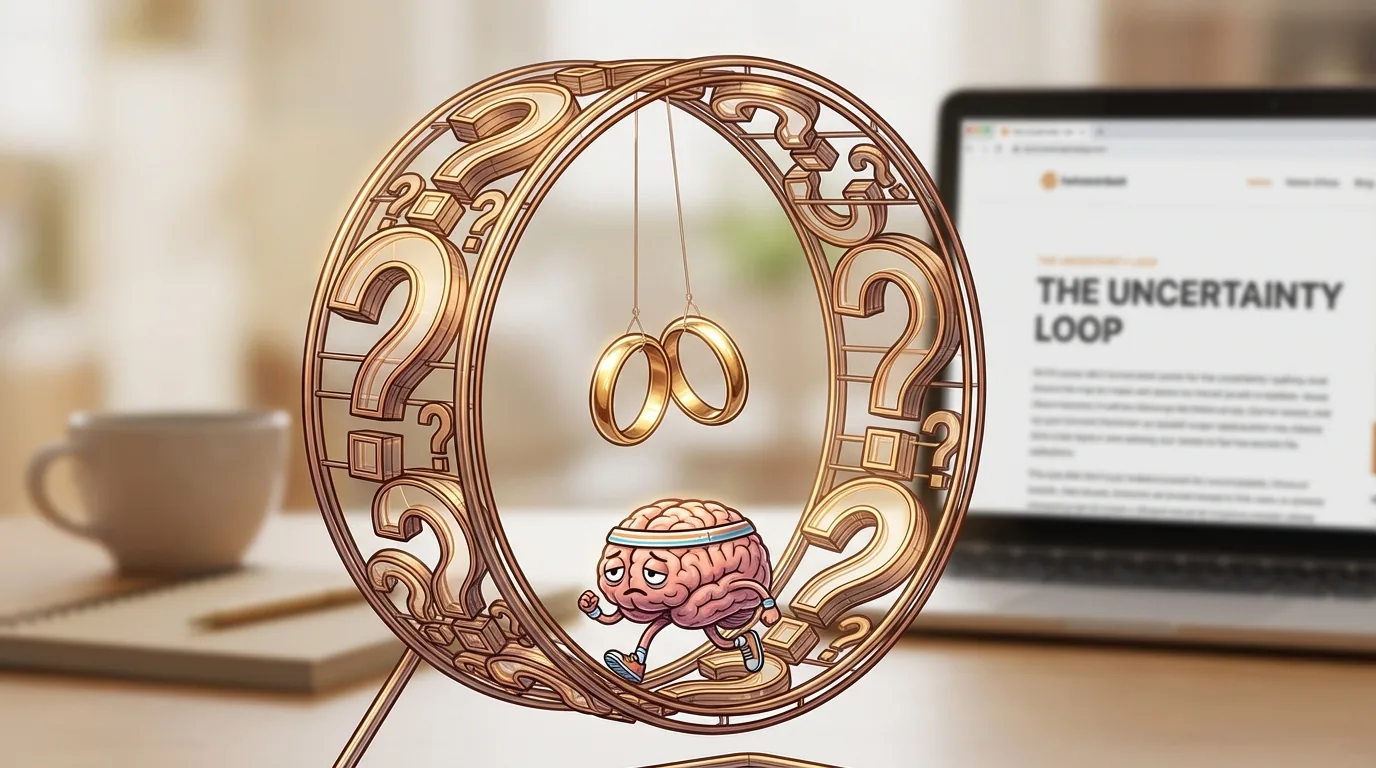
This is why you noticed "everything takes longer" and "I read the same thing three times." Your brain isn't being lazy or difficult. It's running on fumes, requiring exponentially more effort to produce the same output.
Occupational health research has documented this pattern extensively: workers who push through high-stress periods without strategic breaks don't just feel worse-they actually complete projects slower and make more errors than those who build in recovery time.
You experienced this yourself. Remember the walk with your colleague? You noticed: "It actually helped clear my head. I could think more straight afterward."
That wasn't just a nice break. That was your prefrontal cortex getting a chance to recover, even briefly.
Why Rest Feels Like Failure
You mentioned feeling "a lot" of guilt about leaving work early. Like you should power through, especially with the MBA deadline approaching and no guaranteed timeline for your role transition.
This is what researchers call "productivity guilt"-the deeply held belief that rest equals failure.
It makes intuitive sense, doesn't it? You have X amount of work and Y amount of time. Taking breaks reduces Y, making the problem worse. The math is simple.
Except the math is wrong.
Because the equation isn't actually "work = time × effort." It's "work = time × efficiency." And efficiency craters when you're depleted.
When researchers study knowledge workers during high-demand periods, they find something counterintuitive: people who take strategic breaks during intense work periods complete their projects faster-and with fewer errors-than people who push through continuously.
The break isn't reducing your productive time. It's restoring the efficiency that makes your time productive.
Your midnight cutoff? That's not giving up. That's performance optimization.
When you work until 2:30 AM in a depleted state, you're not getting an extra 2.5 hours of productive work. You're getting maybe 45 minutes of actual output while doing damage to tomorrow's capacity. You wake up even more depleted, which means tomorrow's work will be even less efficient.
But when you stop at midnight, you protect tomorrow's capacity. You show up with a brain that can actually process that paragraph in one reading instead of three.
The Secret to Actually Following Through
Understanding this is one thing. Doing it is another.
You know the midnight cutoff makes sense, but when midnight arrives and the assignment isn't finished, every instinct screams "keep going."
This is where most productivity advice falls apart. It tells you what to do but not how to overcome the resistance to actually doing it.
Psychologist Peter Gollwitzer studied this exact problem. He found that people who set "implementation intentions"-specific if-then plans-are substantially more likely to follow through than people who just set goals.
Three hundred percent.
The difference is automation. Without an if-then plan, you have to make a decision in the moment: "Should I keep working or stop?" That decision requires willpower and cognitive energy-which you don't have at midnight when you're depleted.
With an if-then plan, the decision is already made: "If it reaches midnight, then I close my laptop regardless of what's unfinished."
No deliberation. No negotiation. Just action.
You've actually already started doing this intuitively. You simplified your reflection practice when you got busy-instead of detailed analysis, you just note the trigger when it happens and reflect in detail later.
That's what researchers call "adaptive strategy adjustment." You recognized your capacity was limited and modified the method rather than abandoning it entirely. That's sophisticated metacognitive awareness.
Most people either stick rigidly to a method that's too demanding (and then quit entirely when it fails) or abandon helpful practices altogether when they get busy. You did neither. You adapted.
How to Protect Your Capacity This Week
Here's what actually working with your brain-instead of against it-looks like between now and Friday's deadline:
1. Set your hard stop with an implementation intention
"If it reaches midnight, then I close my laptop regardless of what's unfinished."
Notice that last part. Regardless of what's unfinished. This is critical. The moment you add "unless it's really important" or "except if I'm almost done," you've turned it back into a decision point that requires willpower.
2. Continue your simplified trigger-noting
You already discovered this works. When you're frazzled, just note what triggered it. That's all. Detailed reflection can wait until after Friday when your capacity returns.
This isn't lowering your standards. It's adjusting your method to your current capacity-which is exactly what high performers do.
3. Take your walking breaks with a guilt-counter plan
You noticed the walks with your colleague actually help you think more clearly. But you feel guilty taking them.
Implementation intention: "If I feel guilty about taking a break, then I remind myself I actually work better afterward."
You're not arguing with the guilt or trying to overcome it. You're just redirecting to evidence you've already experienced.
4. Practice selective engagement with draining messages
You mentioned getting better at not responding to your father's draining messages. This isn't selfishness. This is what researchers call "relational energy management"-being strategic about where you invest limited emotional resources.
You can read messages and choose whether and when to respond based on your current capacity. During deadline week, that means most draining messages get filed mentally under "deal with this next week."
Sustainable Performance for Intense Periods
These aren't just survival tactics to get through a tough week. You're building what organizational psychologists call "protective routine architecture"-intentional structures that guard your cognitive capacity during high-demand periods.
This matters because intense periods will happen again. Another deadline, another convergence of demands, another season where everything hits at once.
Most people white-knuckle through these periods, deplete themselves completely, then spend weeks recovering before the next crisis hits. They're always either in depletion or recovery, never in sustainable high performance.
But protective routines change the pattern. Instead of surviving intense periods, you navigate them. Your capacity depletes less severely. You recover faster. And crucially-you don't damage your future capacity to protect your present output.
You've also started something else important: need diversification. Instead of expecting your father to acknowledge your birthday and feeling devastated when he doesn't, you're recognizing that not everyone in your life can or will meet every need.
So you planned your own birthday trip. You identified friends who "fill your cup." You're walking with colleagues who energize you rather than drain you.
You're building a support ecosystem instead of depending on any single relationship. Research on resilient social networks shows this dramatically reduces vulnerability-when one relationship fails to meet a need, others can fill the gap.
What Happens After the Deadline
You'll submit your MBA assignment. The immediate pressure will ease. And this is where most people make a critical mistake.
They immediately fill their schedule again. New projects, new commitments, new demands. Because they don't understand what happens to cognitive capacity after sustained depletion.
Your brain isn't like a phone that charges from 0% to 100% overnight. After a period of sustained stress-especially while physically unwell-full recovery takes time. Days to weeks, depending on the depth of depletion.
If you jump straight into new demands, you're building on a depleted foundation. Eventually, that foundation cracks.
But that's a question for next week: How do you actually rebuild capacity after intense periods? What does the recovery protocol look like?
For now, you have four specific implementation intentions and four days until Friday. Your brain knows what to do. You've already demonstrated adaptive strategy adjustment. You've already experienced that breaks improve your thinking.
The only question is whether you'll trust the evidence-including your own experience-over the productivity guilt.
Midnight. Laptop closed. Regardless of what's unfinished.
That's not giving up. That's protecting tomorrow's capacity so you can actually finish what matters.
What's Next
Stay tuned for more insights on your journey to wellbeing.




Comments
Leave a Comment