

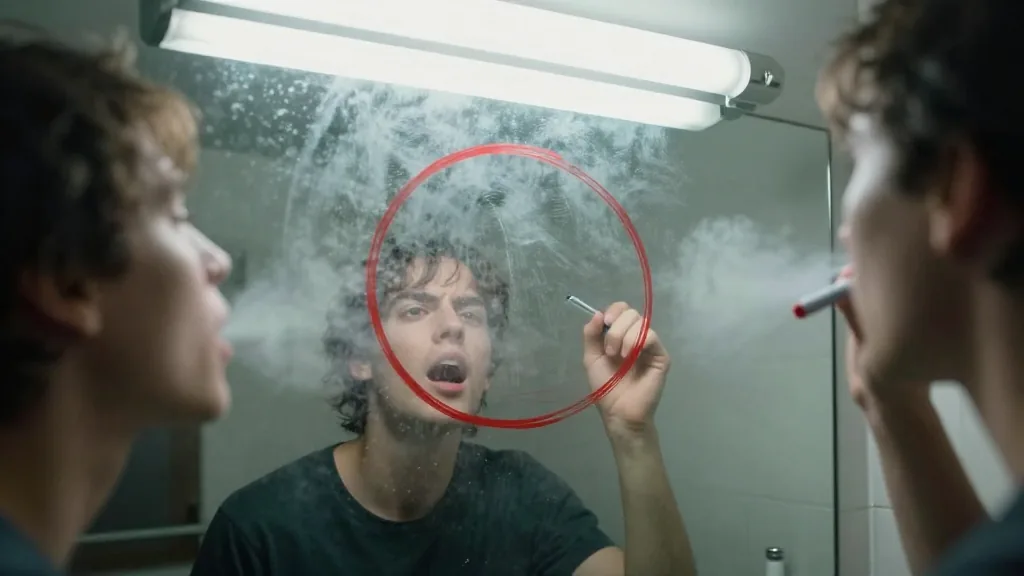
You get frustrated at 3 PM-maybe the burrata isn't at the store, maybe a detail on the yacht you're building isn't coming out right-and suddenly the entire day feels contaminated. You can't shake it. Hours later, you're still carrying it. You need to sleep just to reset.
And then there's the exhaustion. Not just tired, but depleted. Like someone pulled your battery out.
You've tried letting it go. You've tried calming down. You've worked hard on managing your anger since quitting alcohol two years ago. But something about these episodes still hijacks your whole day, and the energy crash that follows feels almost worse than the anger itself.
What if the thing draining you isn't what you think it is?
WHAT YOU'VE BEEN BLAMING
When something triggers you-a mistake at work, a ruined detail, not finding the right ingredients-you naturally assume the anger itself is the problem.
So you try to control it. You tell yourself to calm down. You try to let it go. When that doesn't work, you blame your lack of willpower or emotional control.
"Why can't I just get over this?"
"This is ridiculous-I'm being ridiculous."
"I should be able to handle this better by now."
You've been treating the anger as the enemy. The emotion itself feels like the thing you need to fix, suppress, or eliminate. And when you can't-when it keeps showing up despite your best efforts-you conclude that you're failing at anger management.
Most people with this struggle make the same assumption: if the anger would just stop appearing, everything would be fine.
But here's what's strange: that initial surge of frustration when the detail goes wrong or the store doesn't have what you need? It actually peaks within about 10 minutes. Sometimes less.
So why are you still carrying something hours later? Why does the whole day feel ruined when the trigger itself was brief?
THE REAL CULPRIT
In most cases I've studied, what drains you for hours isn't the initial anger at all.
It's the anger about being angry.
Researchers call this a "meta-emotion"-an emotion about an emotion. What you're actually experiencing is two separate events:
Level 1: The initial frustration (the trigger, the mistake, the missing ingredient)
Level 2: The self-criticism, shame, and judgment about having that first reaction
When something goes wrong at 3 PM and ruins your whole day, here's what's actually happening:
- Minutes 0-10: Initial anger peaks and begins to subside
- Hours 1-8: Self-judgment, shame, "why can't you let this go," internal criticism
Research on emotional recovery shows that this second wave-the self-criticism-typically lasts significantly longer and does far more psychological damage than the original trigger.
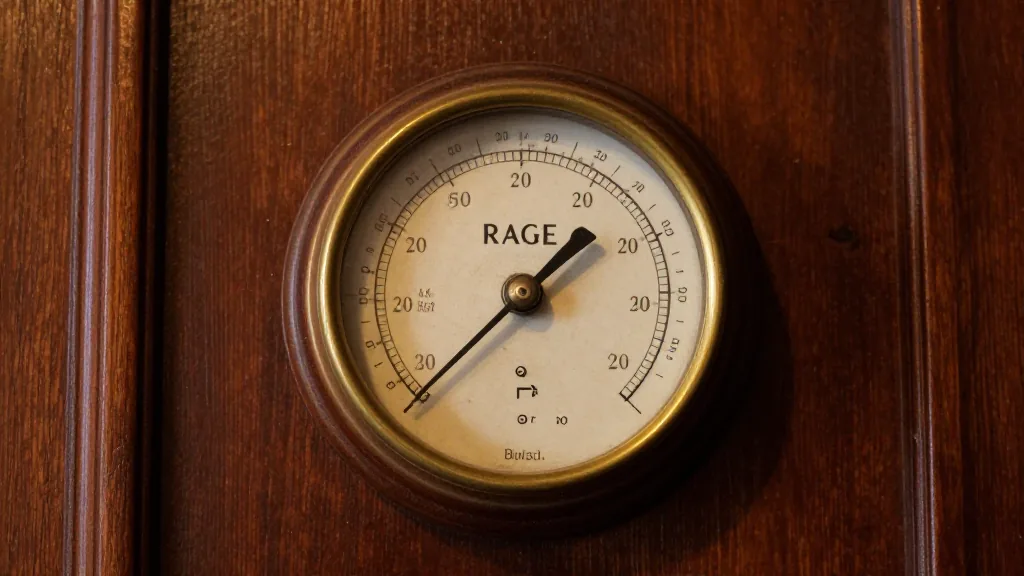
The first anger might be a 10-minute storm. The second anger is the weather system you carry for the rest of the day.
This explains why trying to "just calm down" hasn't worked. You weren't addressing the thing that was actually lasting. You were fighting the 10-minute problem while the hours-long problem quietly took over.
Think about it: when you catch yourself thinking "I'm being ridiculous" or "why can't I let this go"-that's not recovery. That's a second, separate emotional event. One that your brain processes as distinct from the original frustration.
And unlike the initial anger, which naturally peaks and subsides, this self-directed anger can persist for days or even weeks.
HOW IT ACTUALLY WORKS
What most people don't see when they're stuck in an anger episode is the invisible process running behind the scenes-one that explains why you feel so completely drained afterward.
Your brain is essentially running three programs simultaneously:
Program 1: Expressing the anger (the frustration, the reaction, the emotional energy)
Program 2: Trying to suppress the anger ("calm down," "let it go," "don't overreact")
Program 3: Criticizing yourself for having the anger ("you're being ridiculous," "you should handle this better")
This is like trying to run three intensive applications on your computer at the same time while each one fights the other two for resources.
The energy depletion you feel-the need to sleep just to reset-isn't coming from the anger itself. It's coming from the internal conflict. Your nervous system is locked in a three-way battle, and that conflict is what drains your battery.
Here's what makes this particularly exhausting: Programs 2 and 3 don't turn off when the initial trigger ends. The original anger might fade in 10 minutes, but the suppression and self-criticism can run for hours.
Think about your work in luxury yacht building. When you're perfecting a detail and trying to make fine adjustments, what happens if you attempt it while agitated and rushed?
You usually make it worse.
The same principle applies to your emotional responses. Your brain is actually least receptive to new patterns when you're in the heat of the moment. When you're flooded with frustration and simultaneously trying to suppress it and criticize yourself for having it, that's the worst possible state for creating change.
But neuroscience research reveals something surprising: when you're calm-completely calm, maybe that evening or the next morning-your brain becomes significantly more receptive to installing new response patterns.
Mental rehearsal done in calm states activates similar neural pathways as actual experience. Athletes use this to correct performance errors. They don't try to fix their technique mid-competition while adrenaline is surging. They mentally rehearse the corrected movement later, when they're focused and steady.
You're essentially creating a template. And your brain is far better at accepting new templates when it's not running those three conflicting programs.
WHY DOING THE OPPOSITE WORKS
The standard approach to managing anger follows this sequence:
- Feel the anger rising
- Try to calm yourself down in the moment
- Force yourself to let it go
- When that fails, criticize yourself for failing
- Try harder next time to control it in the moment
But after working with hundreds of people struggling with anger regulation, I've discovered something counterintuitive:
When you reverse the process-when you stop trying to fix it in the moment and instead use your calm states to rehearse new responses-you actually build sustainable change far more effectively.
Here's the reversed approach:
- When anger hits, don't try to fix it-just note that it happened
- Let it run its course (remember: the initial surge is only about 10 minutes)
- Later that evening or the next morning when you're completely calm, spend 3-5 minutes mentally replaying the situation
- Imagine yourself responding the way you wish you had-not with perfection, just with more composure
- Treat the incident as data for your mental rehearsal, not as evidence of failure
Why does this reversal work better?
Because you're working WITH your nervous system's natural rhythms instead of against them. You're using the state when your brain is most receptive (calm) to install new patterns, rather than fighting during the state when it's least receptive (agitated).
You already know this principle from your own experience. You quit alcohol two years ago after 20 years of drinking. That took remarkable discipline. What helped you succeed?
You had to be patient with yourself. You couldn't expect it to be easy overnight. And you had to replace it with something-you started doing more activities with your wife and kids instead.
Those same three elements apply here:
- Patience with yourself (treating episodes as learning opportunities, not failures)
- Realistic expectations (understanding the anger will appear; you're retraining your response)
- Replacement behaviors (mental rehearsal replacing self-criticism)
When you stop trying to suppress the anger in the moment and instead rehearse alternative responses during calm states, you're no longer running those three conflicting programs. You're building something instead of fighting yourself.
And here's what changes: the second-level emotion-that hours-long self-criticism-starts to lose its grip. Because you're replacing "I failed again" with "this is data for my rehearsal later."
The energy crash diminishes because you're no longer locked in internal conflict.
THE UNCOMFORTABLE TRUTH
Here's what this means you can no longer ignore:
The shame and embarrassment you feel about your anger responses-especially around your kids-is actually doing more damage than the anger episodes themselves.
Every time you think "I should be better at this by now," you're extending the very thing you want to end.
The honest implication: you've been your own worst enemy in this. Not because you have anger, but because of what you do to yourself after the anger appears.
That voice that says "you're being ridiculous" or "why can't you let this go"? That's not helping you recover. That's creating a second, longer, more damaging emotional event.
And the exhaustion-the need to sleep just to reset-is your nervous system's response to the internal war you're waging, not to the emotion itself.
You can't shame yourself into better emotional regulation. The self-criticism you've been using as motivation is actually the mechanism keeping you stuck.
THE CHALLENGE
Here's what I want you to test:
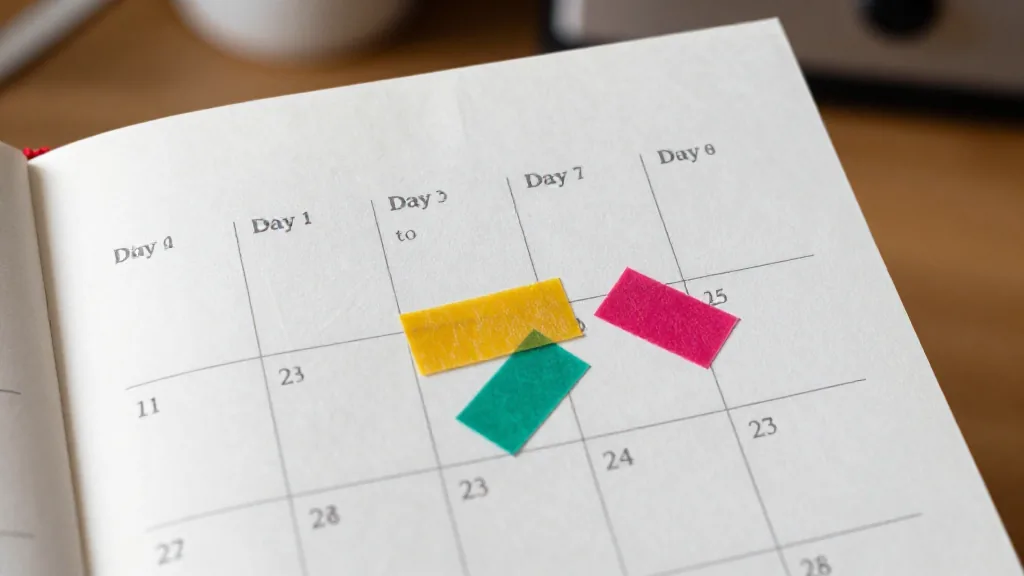
For the next seven days, completely abandon trying to fix your anger in the moment.
When something triggers you-at work, while shopping, during a family activity-don't try to calm down. Don't try to let it go. Don't tell yourself you're being ridiculous.
Just note it: "Anger happened."
That's it. Then let it run its 10-minute course.
That evening or the next morning when you're completely calm, spend exactly 3-5 minutes on mental rehearsal. Replay the situation. Imagine yourself responding with more composure-not perfectly, just more steadily. Write one sentence about what alternative response you rehearsed.
And when you notice that second-wave anger rising-when you catch yourself getting frustrated about being frustrated-say this phrase out loud:
"This is information, not failure."
That's the complete challenge. Seven days. No in-the-moment fixing. Only calm-state rehearsal.
Most people are afraid to try this because they think removing the self-criticism means accepting defeat. They believe the harsh self-talk is what keeps them accountable.
But you already proved you can build new patterns when you quit alcohol and replaced it with family activities. You know how to be patient with yourself during difficult changes.
The question is: are you willing to apply that same patience here?
WHAT YOU'LL PROVE
If you complete this seven-day challenge, here's what you'll discover:
First, you'll prove that the initial anger actually does subside on its own-usually within minutes-when you're not simultaneously fighting and criticizing it.
Second, you'll demonstrate that your energy levels improve dramatically on days when you use compassionate observation instead of self-judgment. The exhaustion that used to require sleep to reset will diminish because you're no longer running those three conflicting programs.
Third, you'll have concrete evidence that mental rehearsal during calm states creates genuine behavior change. You'll catch yourself responding with more composure in real situations because you've been installing those templates when your brain is receptive.
And finally, you'll prove something that might surprise you most: that treating your anger episodes as learning opportunities rather than personal failures doesn't make you complacent-it makes you more effective.
You'll have a written record showing exactly how your responses evolved over seven days. Not through willpower or suppression, but through working with your nervous system's natural receptivity.
The same discipline you used to quit alcohol and build better family habits? You'll see it working here too-not by fighting yourself harder, but by training yourself smarter.
Seven days. One simple reversal. The proof will be in your own experience.
What's Next
Stay tuned for more insights on your journey to wellbeing.



Comments
Leave a Comment