

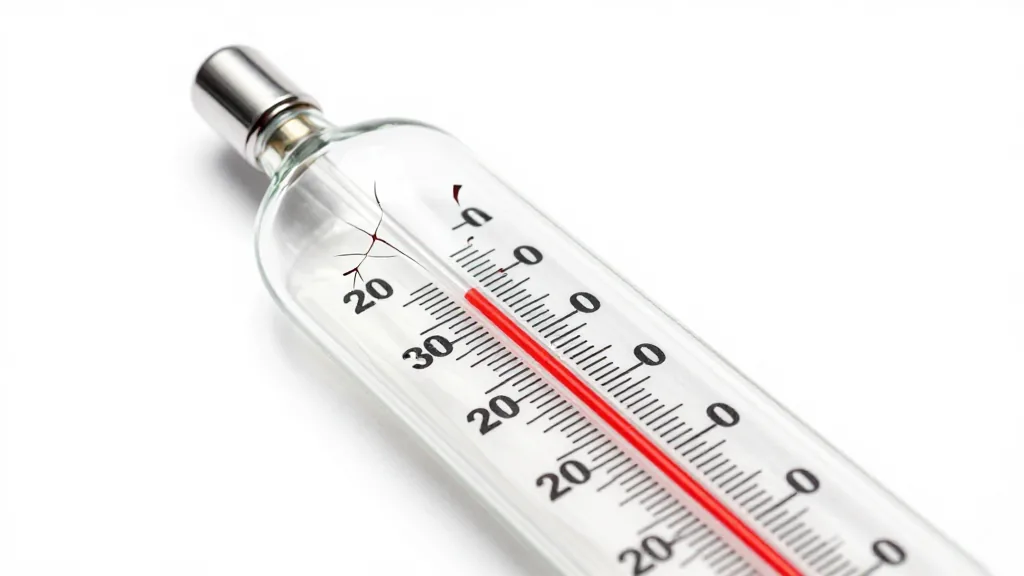
But here's what almost no one tells you: that feeling of sudden anger? It's not actually sudden.
LAYER ONE: THE WRONG TARGET
When anger feels like it comes out of nowhere, most people-including you-blame the same thing: the anger itself.
"I have an anger problem."
"Something's wrong with me."
"I can't control myself."
So you try the usual solutions. You tell yourself to calm down. You count to ten. You try to avoid situations that trigger you. Maybe you've even tried breathing exercises, though they never seem to work in the moment.
And still, the explosions keep happening. Because you're targeting the explosion itself-trying to stop a freight train that's already at full speed.
You've been blaming your inability to control anger. But that's not actually the problem.
LAYER TWO: THE REAL CAUSE
Here's what's really happening: the warning signs exist. Your body is sending them. But you haven't learned to detect them yet.
Think about it like this-when you're on a job site and a crew member is about to make a mistake with equipment, you see it coming. Body language. The way they're gripping the tool. Their positioning. You've trained yourself to read those external signals.
But when it comes to what's happening inside your own body? Most people-maybe including you-have never developed that skill.
Research shows that anger produces specific, measurable physical warning signs before you explode: increased heart rate, muscle tension in your shoulders and jaw, chest tightness, feeling hot or flushed, faster breathing.
These signs are there. Every single time.
The problem isn't that anger comes without warning. The problem is something called interoceptive awareness-your ability to sense what's happening inside your body. And many people simply haven't developed this particular skill.
It's not a character flaw. It's more like not knowing how to read blueprints because no one ever taught you. The information is there on the page, but you don't know what you're looking at.
LAYER THREE: HOW IT OPERATES
Here's the mechanism that makes anger feel so sudden: your body responds before your conscious mind catches up.
When something triggers you-a crew member screws up, equipment breaks, someone questions your judgment-your cardiovascular system kicks into gear immediately. Heart rate spikes. Muscles tense. Adrenaline floods your system.
This happens in seconds. Sometimes even faster.
Studies show that strong cardiovascular arousal is a core component of anger and occurs quickly following provocation. Your heart is already pounding before you're consciously aware you're angry.
So that feeling of "suddenly" being furious? That's not anger appearing out of nowhere. That's you becoming consciously aware of what your body has already been doing for the past several seconds.
The warning signs were there. Your heart rate was climbing. Your shoulders were tensing. Your jaw was clenching.
You just didn't notice them.
It's like when a building's foundation starts shifting before anyone inside feels it. The movement is happening-it's just happening at a level most people aren't trained to detect. By the time you feel the shift, the foundation has already moved significantly.
Your body is that foundation. It's registering stress and preparing for action before the conscious "you" realizes what's happening.
LAYER FOUR: THE MISSING KEY
Now here's the piece almost every anger management program overlooks:
They focus on what to do when you're angry. Breathing techniques. Counting. Walking away.
But here's the critical element no one talks about: none of those intervention techniques matter if you can't detect that you're escalating in the first place.
Interoceptive awareness-that ability to sense your internal physical state-is the prerequisite skill. It's the foundation everything else is built on.
Without it, you're trying to intervene in a process you can't even see happening.
Some people naturally have higher interoceptive awareness. They can feel their heartbeat without checking their pulse. They notice muscle tension as it's building. They're tuned into their internal state.
Others have lower awareness. When it's more severe, this is sometimes called alexithymia-difficulty identifying emotions and distinguishing them from bodily sensations. Research shows that people with alexithymia have trouble recognizing when anger is occurring versus other physical sensations.
You might be able to spot a crew member's mistake from across a job site, but can you feel your own heartbeat right now without checking your pulse?
If not, that's your missing key. That's the skill you need to develop first, before any anger management technique will work.
And here's the good news: research shows this awareness is trainable. Structured training in interoceptive awareness-learning to identify specific physical sensations-improves both physical and emotional awareness. When you can link the physical sensation (muscle tension) to the emotion (anger), you create an early warning system.
THE SHIFT IN YOU
Right now, something has changed in how you understand your anger.
You're no longer someone who "just explodes" for no reason. You're someone whose body sends clear warning signals that you haven't learned to read yet.
The anger isn't sudden. The detection is what's been missing.
This isn't about having more self-control or being a better person. This is about developing a specific, trainable skill: noticing what your body is doing before your conscious mind catches up.
You already know how to read external warning signs-you do it every day on the job. Now you're going to learn to read your own internal warning signs with the same accuracy.
YOUR 60-SECOND EXPERIMENT
Right now, before you finish reading this, do a quick body scan:
What does your chest feel like? Tight, loose, or neutral?
Where are your shoulders? Are they up near your ears or relaxed down?
What about your jaw? Clenched or loose?
How fast are you breathing? Quick and shallow, or slow and deep?
Can you feel your heartbeat?
That's it. That's the practice. You just checked in with your body.
Do this same check three times today: when you first arrive at work, during lunch, and at the end of the day. Just notice. Don't try to change anything. Just build the habit of checking in.
The more you practice sensing these things in calm moments, the easier it becomes to detect changes when stress hits.
WHAT YOU'LL NOTICE
Over the next few days, as you do these regular check-ins, you'll start to develop a sense of your baseline. What your body feels like when you're calm.
And that's when something interesting will happen: you'll start noticing departures from that baseline.
Your heart rate picking up speed. Your shoulders creeping up toward your ears. Your jaw starting to clench.
These sensations have always been there. You're just learning to detect them now.
The first time you catch yourself in that earlyescalation phase-heart starting to race, shoulders tensing, before the explosion-you'll realize something profound:
Anger was never sudden. You were just reading the wrong signals.
And now that you can see what's coming, you finally have a chance to do something about it.
What's Next
In our next piece, we'll explore how to apply these insights to your specific situation.




Comments
Leave a Comment